
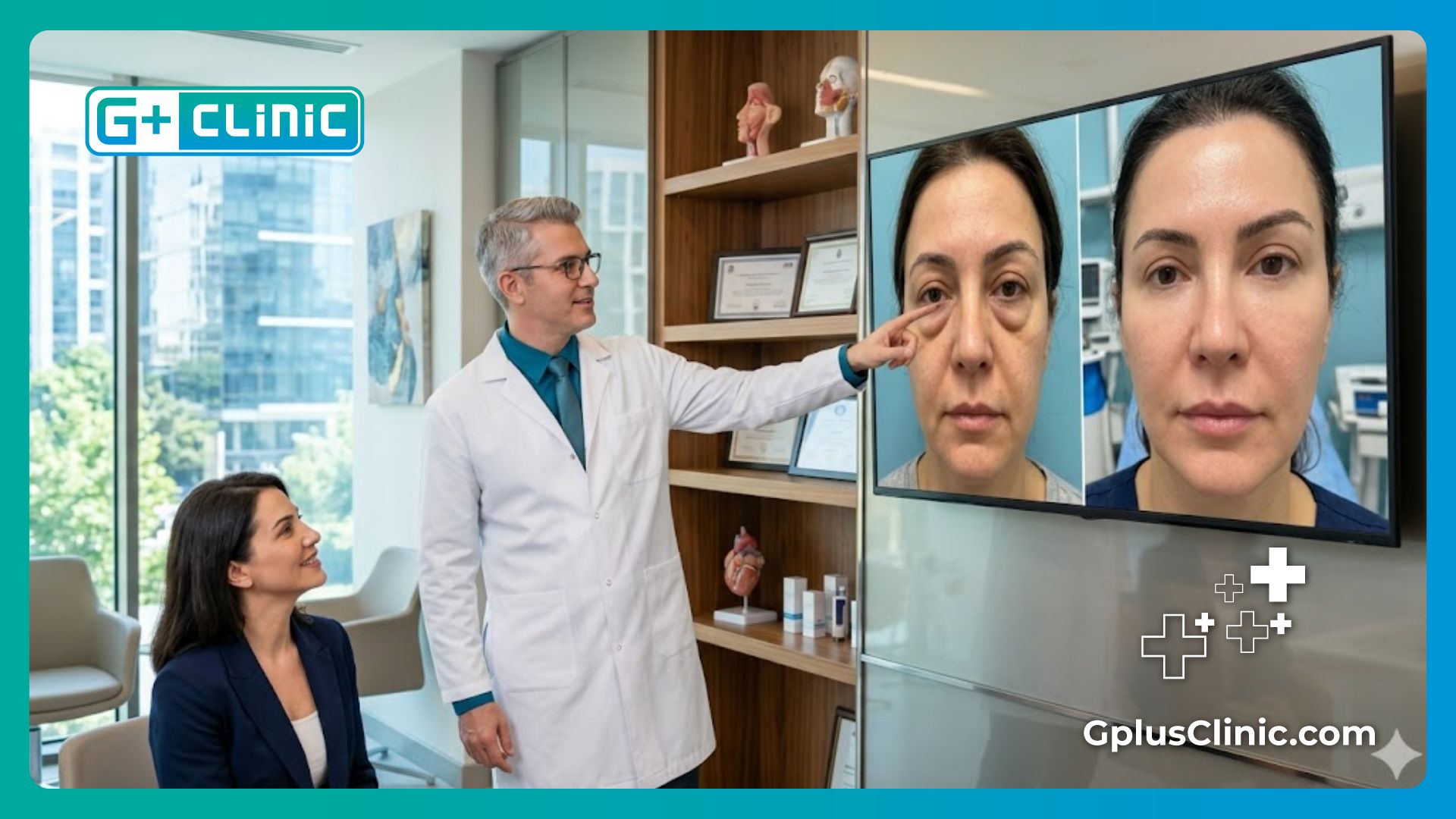
Safety is the absolute priority when analyzing the Risks of Lower Blepharoplasty in Turkey. Recognizing these medical aspects allows individuals to make informed decisions, which is why G+ Clinic utilizes pioneering cosmetic solutions to minimize side effects and secure flawless facial rejuvenation.
What are the Risks of Lower Blepharoplasty in Turkey?
The Risks of Lower Blepharoplasty in Turkey include temporary swelling, under-eye bruising, mild dry eyes, and incredibly rare complications like ectropion or asymmetry, which are effectively neutralized by choosing a board-certified surgeon. (According to Cleveland Clinic, modern lower eyelid surgeries maintain a safety success rate exceeding 95% when performed under strict clinical criteria).
An in-depth review of the Risks of Lower Blepharoplasty in Turkey highlights why clinical experience is completely indispensable. For instance, post-operative swelling and mild ecchymosis are normal physiological responses that peak within forty-eight hours and subside gradually. However, more serious risks like ectropion—where the lower eyelid slightly turns outward—only occur if an uncertified practitioner excises an excessive amount of skin tissue. Consequently, choosing an accredited surgical facility ensures that advanced calculations are performed before the first incision, making the entire healing track smooth and predictable.
“Mitigating the Risks of Lower Blepharoplasty in Turkey requires a deep understanding of facial anatomy and a highly conservative surgical approach. By preserving natural tissues and utilizing advanced bloodless technologies, we consistently ensure that patients achieve a remarkably youthful look without compromising crucial eyelid functionality.”
— Senior Plastic Surgeon atG+ Clinic
Risks of Lower Blepharoplasty in Turkey Cost Breakdown
Balancing financial aspects against the Risks of Lower Blepharoplasty in Turkey allows international patients to plan their medical itinerary with total clarity. Here is an overview of global surgical pricing:
| Destination Country | Minimum Price (€) | Maximum Price (€) | Average Safe Cost (€) |
| Turkey (G+ Clinic) | 1,900 € | 2,600 € | 2,200 € |
| Germany | 4,600 € | 6,800 € | 5,700 € |
| France | 4,300 € | 6,200 € | 5,200 € |
| United Kingdom | 5,200 € | 8,500 € | 6,800 € |
| United States | 6,000 € | 9,500 € | 7,500 € |
| Switzerland | 6,500 € | 11,000 € | 8,500 € |
| Spain | 3,900 € | 5,700 € | 4,800 € |
| Italy | 4,100 € | 6,000 € | 5,000 € |
This comparison clearly shows that reducing the Risks of Lower Blepharoplasty in Turkey is financially accessible through premium all-inclusive packages.
Advanced Technologies to Minimize Risks of Lower Blepharoplasty in Turkey
Modern medical tools are heavily relied upon to suppress the Risks of Lower Blepharoplasty in Turkey and ensure ultra-precise surgical execution:
- Carbon dioxide laser systems for hyper-accurate microscopic skin incisions.
- High-frequency radio wave scalpels that seal blood vessels instantly.
- Transconjunctival internal entry methods that leave no external facial scars.
- Advanced fat-repositioning techniques that completely avoid hollowed under-eye hollows.
- Cold plasma skin tightening devices for non-invasive epidermal firming.
- Ultra-fine dissolvable micro-sutures that leave absolutely no visible marks.
Deploying these specialized clinical tools effectively eliminates the historic Risks of Lower Blepharoplasty in Turkey.
Ideal Candidate to Minimize Risks of Lower Blepharoplasty in Turkey
The perfect candidate to avoid the Risks of Lower Blepharoplasty in Turkey is a non-smoking adult in excellent physical health who presents realistic expectations and does not suffer from chronic ocular diseases like severe dry eye syndrome. (According to Mayo Clinic, a comprehensive ophthalmological pre-screening of tear production and corneal sensitivity is vital to ensure long-term surgical safety).
Evaluating candidate health profiles helps specialists downscale the Risks of Lower Blepharoplasty in Turkey before entering the operating room. Individuals over thirty-five who encounter genetic under-eye puffiness find this procedure incredibly rewarding. Furthermore, maintaining realistic expectations ensures high satisfaction rates. Conversely, individuals dealing with uncontrolled diabetes or severe thyroid eye conditions are carefully managed or deferred to protect their visual well-being.
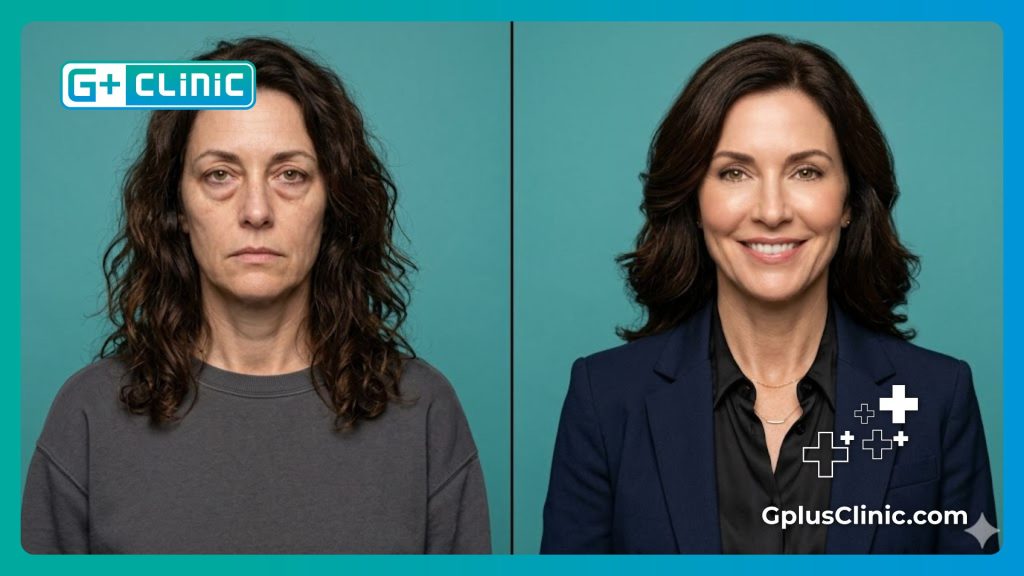
Target Areas and Anatomical Precision
Targeting specific zones with high precision prevents the structural Risks of Lower Blepharoplasty in Turkey from occurring:
- Protruding orbital fat pads causing under-eye puffiness and bags.
- Sagging, crepey skin folds accumulating below the lower eyelashes.
- Weakened structural segments of the orbicularis oculi muscle matrix.
- Deep tear trough depressions creating severe hollow shadows and cernes.
- Fine expression wrinkles forming at the outer ocular boundaries.
Understanding these delicate regions allows surgeons to bypass the Risks of Lower Blepharoplasty in Turkey effortlessly.
Anesthesia Protocols and Surgical Duration
Anesthesia management plays a decisive role in mitigating the overall Risks of Lower Blepharoplasty in Turkey. The operation is routinely performed under local anesthesia supplemented by light intravenous sedation, ensuring the patient remains comfortably relaxed and entirely pain-free. This approach successfully bypasses the heavier systemic complications associated with general anesthesia, such as deep vein thrombosis or severe post-operative nausea. Lasting between 60 to 90 minutes, the brief duration of the procedure dramatically curtails the Risks of Lower Blepharoplasty in Turkey.
Surgical Steps Timeline
A structured clinical timeline demonstrates how surgical steps are organized to systematically minimize the Risks of Lower Blepharoplasty in Turkey:
| Operative Phase | Clinical Action Performed | Safety and Preventive Objective | Expected Duration |
| 1. Mapping | Marking fat deposits and skin folds | Ensures absolute bilateral eye symmetry | 30 Minutes |
| 2. Anesthesia | Administering local numbing and sedation | Eliminates physical pain and patient anxiety | 15 Minutes |
| 3. Incision | Execution of micro-cut inside the eyelid | Hides structural scars within the conjonctive | 15 Minutes |
| 4. Fat Sculpting | Repositioning or removing orbital fat pads | Eradicates bag puffiness without creating hollows | 25 Minutes |
| 5. Muscle Repair | Tightening the weakened orbicularis layer | Restores structural baseline under-eye support | 15 Minutes |
| 6. Hemostasis | Coagulating micro-vessels via radiofrequency | Drastically reduces bleeding and hematoma risks | 10 Minutes |
| 7. Closure | Stitching margins with micro-cosmetic threads | Promotes rapid, clean, and invisible lines | 15 Minutes |
| 8. Cool Down | Applying chilled ophthalmic compresses | Curbs immediate localized swelling and edema | 45 Minutes |
This rigorous structural path guarantees that the Risks of Lower Blepharoplasty in Turkey are successfully managed throughout the surgical window.
Why Choose G+ Clinic to Avoid Risks of Lower Blepharoplasty in Turkey?
Choosing our premier medical facility is the most definitive way to counter the Risks of Lower Blepharoplasty in Turkey:
- Board-certified plastic surgeons specializing exclusively in complex oculoplastic procedures.
- Full hospital accreditation maintaining the absolute highest sterilization protocols.
- Comprehensive one-year post-operative medical follow-up included in every package.
- Dedicated bilingual medical translators accompanying international patients during all checkups.
- State-of-the-art laminar airflow cleanrooms that prevent environmental contamination.
These elite parameters ensure that the Risks of Lower Blepharoplasty in Turkey are kept at a global statistical minimum.
Detailed Technical Comparison
An analytical comparison of energy modalities clarifies how choice of method affects the Risks of Lower Blepharoplasty in Turkey:
| Operational Metric | Traditional Transcutaneous Scalpel | Advanced Transconjunctival Laser | Superficial Non-Surgical Plasma |
| Scar Visibility | Small line below the eyelashes | Completely hidden inside the eyelid | No cuts or marks left on skin |
| Ectropion Risk | Low but present if skin is over-cut | Virtually zero as skin is left intact | Absolutely non-existent |
| Bruising Intensity | Standard bruising for two weeks | Minimal due to instant coagulation | Very light surface redness only |
| Healing Window | 10 to 14 days for social recovery | 5 to 7 days for complete recovery | 3 to 5 days for skin healing |
This evaluation shows how modern transconjunctival approaches effectively neutralize the Risks of Lower Blepharoplasty in Turkey.
When do Lower Blepharoplasty in Turkey Results Stabilize?
The initial aesthetic improvements appear within 7 to 10 days as temporary swelling clears, while final outcomes stabilize completely after 3 to 6 months as deep tissues completely integrate. (According to ISAPS, lower eyelid adjustments provide remarkably long-lasting anti-aging outcomes that easily persist for 10 to 15 years).
The long-term realization of structural improvements becomes fully evident once initial post-operative fluids clear completely. While slight discrepancies can occasionally be noticed during the first few weeks due to asymmetric swelling patterns, they balance out perfectly as healing progresses. Ultimately, the under-eye area gains a beautifully smooth, youthful transition to the upper cheek, proving that managing the Risks of Lower Blepharoplasty in Turkey correctly yields stable, life-changing results.
Preoperative Preparation Guidelines
Strict adherence to medical preparation is the finest proactive shield against the Risks of Lower Blepharoplasty in Turkey:
- Cease smoking and nicotine consumption two weeks prior to surgery.
- Discontinue aspirin, ibuprofen, and all blood-thinning medications immediately.
- Avoid vitamin E and herbal supplements that promote excessive bleeding.
- Complete all mandatory laboratory blood tests required by the clinic.
- Maintain a strict 8-hour fast from food and liquids before surgery.
Following these steps reliably removes the primary preventable Risks of Lower Blepharoplasty in Turkey.
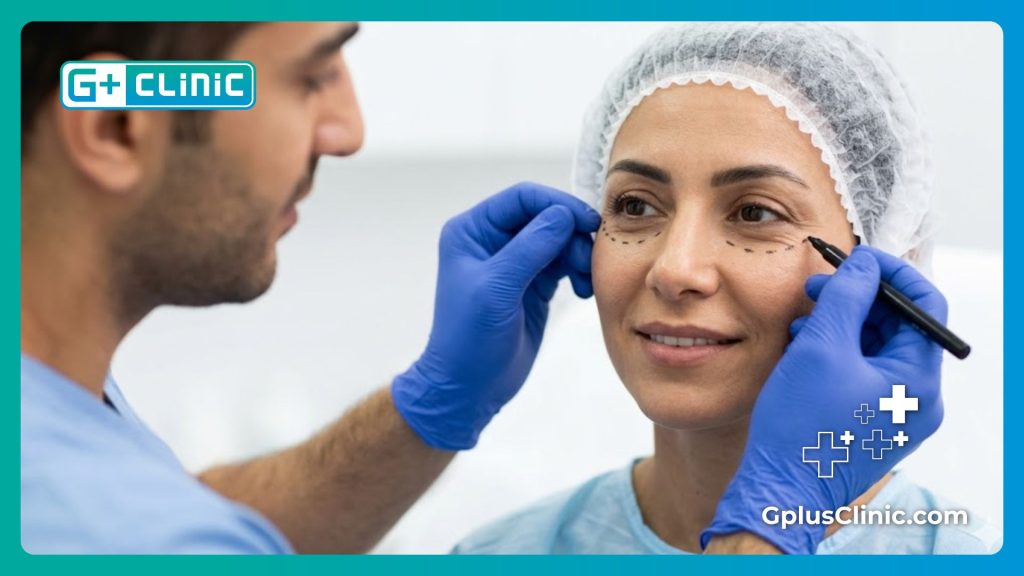
Pros and Cons Analysis
Weighing structural benefits against the Risks of Lower Blepharoplasty in Turkey provides patients with clear, transparent insight:
| Documented Aesthetic Advantages | Potential Side Effects & Risks |
| Permanently eliminates heavy, tired under-eye bags | Temporary bruising and swelling for up to two weeks |
| Yields a significantly younger, alert facial look | Minor transient dry eye sensation requiring drops |
| Restores natural, youthful transitions to the cheek | Temporary light sensitivity during the first few days |
| Leaves absolutely zero visible external scarring | Inability to wear contact lenses for 10 days post-op |
Evaluating these factors demonstrates that while temporary side effects exist, the long-term benefits easily overshadow the Risks of Lower Blepharoplasty in Turkey when handled by top specialists.
VIP Services for a Stress-Free Experience
Our luxury packages are specifically designed to reduce physical stress and minimize the Risks of Lower Blepharoplasty in Turkey:
- Private premium transport from the airport in luxury vehicles.
- Five-star hotel accommodations located in quiet, secure districts.
- Personal medical translators handling all communication seamlessly.
- Dedicated post-operative nursing care available directly at your hotel room.
- Direct 24/7 encrypted communication channels with your plastic surgeon.
Providing this elite environment allows patients to focus entirely on calm recovery, avoiding the Risks of Lower Blepharoplasty in Turkey.
Common Myths Corrected
The most common myth regarding the Risks of Lower Blepharoplasty in Turkey is that the operation changes the natural shape of the eyeball or compromises long-term vision, whereas it strictly alters superficial tissue far from the internal ocular mechanics. (According to the WHO, accredited cosmetic procedures performed in certified clinical environments dramatically improve psychological well-being and health-related quality of life).
Misinformation often exaggerates the structural Risks of Lower Blepharoplasty in Turkey, deterring patients from a safe procedure. Another frequent misconception is that the surgery leaves stark, visible lines under the eyes. In truth, internal transconjunctival approaches mean the skin surface remains completely untouched, leaving no evidence of surgery. Additionally, it is a myth that the recovery involves severe pain; most patients report nothing more than minor tightness easily managed with basic analgesics.
Postoperative Recovery Milestones
Navigating your recovery timeline safely prevents late-stage Risks of Lower Blepharoplasty in Turkey:
- Days 1-3: Absolute rest with frequent application of chilled ice packs.
- Days 4-5: Sleeping with the head elevated on multiple pillows to clear edema.
- Day 7: Easy, painless removal of any fine external cosmetic sutures.
- Week 2: Return to light work duties and application of hypoallergenic makeup.
- Month 3: Complete absorption of internal swelling and structural tissue softening.
Following this recovery track protects you completely from the Risks of Lower Blepharoplasty in Turkey.
Real Patient Experiences
- Marianne (Age 45): “I was terrified of the Risks of Lower Blepharoplasty in Turkey, but G+ Clinic was incredible. The transconjunctival method left absolutely no scars, and my under-eye bags have completely vanished.”
- Thomas (Age 52): “My constant puffiness made me look permanently exhausted. The surgeon explained the risks transparently, used radiofrequency tools, and the results are entirely natural. I felt no pain at all.”
- Elena (Age 41): “The VIP care was phenomenal, which helped me stay relaxed and avoid post-op stress. I had mild dry eyes for three days, which the prescribed drops resolved instantly.”
- Marcus (Age 49): “Professionalism from start to finish. They monitored my blood pressure closely before surgery to prevent any hematoma risks. A highly reassuring experience.”
Hidden Costs to Plan For
Planning for ancillary expenses ensures financial peace of mind, minimizing stress-induced risks:
- Round-trip international flight tickets to Istanbul.
- Extra prescription medication or lubricating gels post-departure.
- Extended hotel nights if you choose to vacation longer.
- Personal shopping, meals, and leisure activities for your companion.
- Follow-up checkups with local specialists upon returning home.
Accounting for these variables eliminates surprises, leaving you free to focus on avoiding the Risks of Lower Blepharoplasty in Turkey.
Maintaining Long-Term Results
Preserving your youthful orbital look protects tissues from premature aging and addresses the long-term Risks of Lower Blepharoplasty in Turkey:
- Apply broad-spectrum SPF 50 sunscreen around the lower eyes daily.
- Wear polarized UV-blocking sunglasses whenever stepping out into the sun.
- Apply medical-grade hyaluronic acid eye creams to keep tissues hydrated.
- Avoid forceful rubbing or pulling of the delicate under-eye skin folds.
- Maintain a stable body weight and a balanced, low-sodium nutritional plan.
Lower Blepharoplasty vs Bariatric Interventions
Understanding how localized facial procedures fit within your health journey involves comparing them with major gastric treatments:
| Operational Feature | Eyelid Surgery (Blepharoplasty) | Gastric Sleeve (Bariatric Surgery) |
| Core Medical Goal | Refreshes eye youth and removes bags | Induces major systemic weight loss |
| Focus Area | Highly localized facial tissue | Major internal abdominal surgery |
| Anesthesia | Local numbing with light sedation | Deep general endotracheal anesthesia |
| Hospital Stay | Outpatient procedure; zero nights | 2 to 3 nights of inpatient monitoring |
| Dietary Adjustments | No specialized restrictions post-op | Strict phase-based liquid-to-solid diet |
| Scar Concealment | Hidden inside the natural eyelid crease | Multiple small abdominal incision marks |
This comparison highlights that an eyelid lift is a highly localized, safe outpatient procedure that carries minimal systemic strain.
Healthy Lifestyle Integration
Adopting a wellness-oriented lifestyle provides the biological foundation needed to heal rapidly and keep the Risks of Lower Blepharoplasty in Turkey at bay. A diet rich in vitamin C, lean proteins, and antioxidants accelerates internal tissue repair and supports collagen synthesis. Furthermore, avoiding high-sodium foods prevents post-operative fluid retention and morning under-eye swelling, locking in the brilliant results of your procedure naturally.
How to Secure Your Booking at G+ Clinic
Our onboarding system is designed to eliminate logistical stress and address the early Risks of Lower Blepharoplasty in Turkey:
- Submit close-up digital photos via our secure online portal.
- Participate in an in-depth virtual medical consultation with your surgeon.
- Receive an itemized, transparent treatment plan with no hidden fees.
- Confirm your travel dates and lock in your comprehensive VIP package.
- Arrive in Istanbul for your definitive aesthetic rejuvenation.
Conclusion: Ready for Transformation?
In conclusion, understanding the Risks of Lower Blepharoplasty in Turkey empowers you to undertake your anti-aging journey with complete confidence and total clarity. Choosing G+ Clinic guarantees that your health, safety, and aesthetic desires are handled with world-class clinical excellence. Contact our expert team today to schedule your free consultation and rediscover a radiant, youthful, and permanently refreshed gaze.
FAQ about Risks of Lower Blepharoplasty in Turkey
Can the Risks of Lower Blepharoplasty in Turkey include permanent blindness?
Blindness is an exceptionally rare complication occurring in less than 1 in 40,000 cases worldwide, usually tied to undetected retrobulbar hemorrhage. By utilizing computerized radiofrequency devices that instantly seal vessels, G+ Clinic successfully eliminates this danger.
What is the most common preventable complication in lower eyelid lifts?
Ectropion, where the lower lid sags open, is the most common preventable complication. It happens exclusively when an inexperienced surgeon cuts away too much external skin, which is why our specialists prioritize internal transconjunctival entry.
How are infection risks managed during my medical trip to Istanbul?
Infection risks are managed via ultra-strict JCI-accredited sterilization inside our laminar airflow operating rooms. Patients are also prescribed a complete course of preventative broad-spectrum antibiotic drops and oral medications.
Is it normal to experience asymmetric swelling during the first month?
Yes, asymmetric swelling is a standard physiological healing response, as one side of the face often retains fluids longer than the other. This discrepancy evens out beautifully as tissue channels recover.
Can I minimize dry eye risks if I already wear contact lenses?
Yes, you can minimize dry eye risks by strictly switching to prescription eyeglasses for 10 to 14 days post-surgery. This prevents any mechanical pull on the healing lower lid margins.


