
Choosing the best eye hospital in Turkey for surgeries is a pivotal decision that can profoundly enhance your vision and overall quality of life. At G+ Clinic, we bridge world-class ophthalmic expertise with cutting-edge surgical infrastructure to deliver exceptional, tailored vision correction and advanced ocular care.
What is the Best Eye Hospital in Turkey for Surgeries?
The best eye hospital in Turkey for surgeries is an advanced, globally accredited medical facility specializing in sophisticated laser procedures and micro-incisional ocular surgeries. These premiere institutions offer state-of-the-art technological ecosystems designed to correct complex vision errors with maximum precision and safety, achieving success rates that consistently exceed international benchmarks. (According to the Cleveland Clinic, choosing a highly accredited specialized surgical center reduces post-operative complications to less than 1%).
Furthermore, selecting the right institution involves evaluating rigorous global standards, such as Joint Commission International (JCI) certifications, which mandate strict protocols for infection control and patient safety. Turkey has emerged as a premier hub for medical tourism because its leading eye hospitals offer a unique combination of renowned academic surgeons and highly sophisticated diagnostic suites. Consequently, international patients benefit from comprehensive pre-operative mapping and personalized surgical designs that ensure stable, long-term visual acuity.
Best Eye Hospital in Turkey for Surgeries Cost Breakdown
Financial transparency is fundamental when researching the best eye hospital in Turkey for surgeries. The cost of advanced ophthalmic procedures in Turkey offers substantial value compared to standard Western European and North American rates without compromising on surgical quality.
| Ophthalmic Procedure | Turkey (Average Package Price) | Western Europe (Average Cost) | United States (Average Cost) |
| Femto-LASIK (Both Eyes) | €1,300 | €3,600 | €5,200 |
| ReLEx SMILE Laser (Both Eyes) | €1,900 | €4,400 | €6,100 |
| Smart Lens / Trifocal IOL (Per Eye) | €1,600 | €3,800 | €5,500 |
| Cataract Surgery with Standard IOL | €1,400 | €3,200 | €4,800 |
| Corneal Cross-Linking (Per Eye) | €1,100 | €2,600 | €3,900 |
| Vitrectomy Surgery (Retinal Repair) | €3,400 | €7,500 | €11,000 |
| Glaucoma Shunt Surgery | €2,200 | €5,100 | €7,800 |
| Keratoplasty (Corneal Transplant) | €4,800 | €11,000 | €16,500 |
Moreover, comprehensive medical packages at the best eye hospital in Turkey for surgeries typically include premium intraocular lenses, meticulous pre-surgical mapping, luxury airport transfers, and multilingual patient coordination, eliminating hidden expenses.
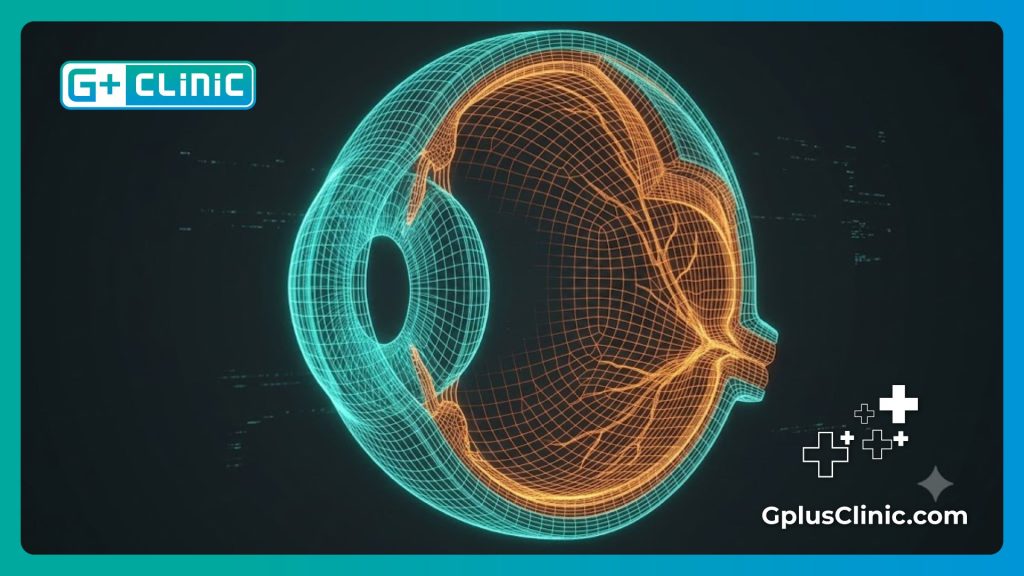
Advanced Technologies at the Best Eye Hospital in Turkey for Surgeries
Leading ophthalmic institutions utilize a robust suite of advanced surgical systems to optimize procedural safety and precision:
- Zeiss VisuMax Femtosecond Lasers for flapless ReLEx SMILE procedures.
- Schwind Amaris Excimer Systems for high-frequency corneal reshaping.
- Wavefront Guided Topographers for customized 3D corneal mapping.
- Centurion Vision Systems for ultra-smooth cataract phacoemulsification.
- Constellation Vitrectomy Platforms for complex vitreoretinal micro-surgeries.
Consequently, integration of these modern instruments ensures that the best eye hospital in Turkey for surgeries can deliver highly customized treatments matching each patient’s unique ocular anatomy.
Ideal Candidates for Ocular Surgeries
The ideal candidate for vision correction or therapeutic intervention at the best eye hospital in Turkey for surgeries is an individual over the age of 18 with stable refractive errors and a structurally healthy cornea. (According to the Mayo Clinic, candidates must demonstrate stable vision prescriptions for at least 12 consecutive months prior to undergoing any laser refractive surgery).
Additionally, detailed physiological criteria dictate candidate selection to ensure absolute safety. Patients must be free from active autoimmune disorders and systemic conditions that impair wound healing. During the initial diagnostic phase, specialized topographers measure corneal thickness to determine if a patient is best suited for Femto-LASIK, ReLEx SMILE, or implantable phantic lenses (ICL), thereby mitigating the risk of post-operative ectasia.
Conditions Treated at the Best Eye Hospital in Turkey for Surgeries
Top-tier Turkish eye institutions provide highly specialized diagnostic and therapeutic solutions for a wide spectrum of visual impairments:
- Myopia, Hyperopia, and Severe Astigmatism via advanced laser ablation.
- Presbyopia (Age-Related Near Vision Loss) utilizing progressive multifocal lenses.
- Advanced Cataracts (Opacity of the Lens) via micro-incision phacoemulsification.
- Keratoconus (Progressive Corneal Thinning) through ultraviolet Corneal Cross-Linking.
- Retinal Detachment and Diabetic Retinopathy using high-precision vitrectomy.
Ultimately, having access to multidisciplinary sub-specialties ensures that every patient receives expert care regardless of the complexity of their ocular condition.
Anesthesia Protocols and Procedural Duration
Patient comfort and safety are tightly managed through standardized sedation and anesthetic protocols. For refractive laser procedures such as LASIK or SMILE, specialized numbing drops are applied directly to the ocular surface, rendering the entire procedure completely painless within 10 to 15 minutes.
However, for more intensive interventions like corneal transplants or vitreoretinal surgeries, senior anesthesiologists administer monitored intravenous sedation or general anesthesia. These complex procedures typically require between 45 to 90 minutes. Patients recover in state-of-the-art monitoring units where specialized ophthalmic nurses track vital signs before clearance for discharge.
“True surgical excellence in ophthalmology relies on the seamless intersection of microscopic precision and personalized diagnostic insight. AtG+ Clinic, we ensure our partner hospitals utilize advanced diagnostic suites to deliver tailored visual outcomes with zero margin for error.”
— Chief Ophthalmic Surgical Advisor, G+ Clinic
Surgical Journey Timeline
The clinical workflow for international patients is meticulously structured to ensure maximum safety and comfort from arrival to final discharge.
| Phase | Clinical Description & Operational Protocol |
| 1. Digital Pre-Consultation | Remote evaluation of recent visual acuity reports and medical history scans. |
| 2. Advanced Ocular Mapping | Comprehensive wavefront tomography, pachymetry, and tonometry at the clinic. |
| 3. Surgical Customization | Finalization of the laser ablation profile or intraocular lens specifications. |
| 4. Surgical Execution | Procedure performed under sterile, laminar-flow theater conditions using targeted anesthesia. |
| 5. Immediate Post-Op Care | Application of protective shields and initial administration of anti-inflammatory drops. |
| 6. Day-1 Clinical Review | Next-day microscopic inspection of the cornea and measurement of early visual acuity. |
| 7. Discharge & Travel Clearance | Provision of customized medication kits and formal medical certificates for flight travel. |
| 8. Long-Term Digital Follow-Up | Periodic remote check-ups managed by G+ Clinic for up to 12 months. |

Why Choose G+ Clinic for Your Eye Surgery in Turkey?
Partnering with G+ Clinic ensures a smooth, elite medical experience designed around premium healthcare standards:
- Direct access to top-tier, JCI-accredited ophthalmic hospitals.
- Consultations with internationally recognized board-certified eye surgeons.
- Premium all-inclusive packages covering VIP transfers and 5-star accommodations.
- Dedicated bilingual medical translators present throughout your clinical journey.
- Comprehensive 12-month post-operative monitoring and remote support.
By coordinating your treatment through G+ Clinic, you eliminate administrative friction and gain access to a network built entirely on clinical excellence and patient-first luxury.
When Do Results Typically Appear?
Visual recovery following treatment at the best eye hospital in Turkey for surgeries is remarkably rapid, with many laser refractive patients noticing a dramatic improvement in clarity within 12 to 24 hours post-procedure. Final structural stabilization and optimal visual acuity are fully realized within 3 to 6 months as the eye heals completely.
It is normal to experience mild fluctuations in vision, subtle glare, or temporary dryness during the initial weeks. However, strictly adhering to the prescribed medical regimen and attending all scheduled follow-ups guarantees that the eyes stabilize safely, yielding crisp, clear vision for years to come.
Potential Risks and Safety Protocols
While advanced eye surgeries boast excellent safety metrics, minor risks such as temporary dry eye syndrome, transient glare, or mild under-correction can occasionally occur. Top-tier medical institutions minimize these probabilities by maintaining stringent, ultra-sterile operating environments and employing advanced eye-tracking technology during laser applications. (According to the World Health Organization, the strict implementation of standardized surgical safety checklists reduces perioperative complications by over 30%).
At G+ Clinic, we emphasize thorough screening protocols. By identifying subtle corneal irregularities or pre-existing dry eye conditions during the advanced diagnostic stage, surgeons can adjust the treatment strategy or choose a more suitable procedure, ensuring a safe and successful outcome.
Maintaining Your Visual Results Long-Term
Protecting your newly restored vision requires consistent, healthy ocular habits following your discharge from the hospital:
- Use prescribed eye drops precisely as directed to prevent inflammation and dryness.
- Wear high-quality UV-blocking sunglasses to safeguard the healing cornea from UV rays.
- Avoid rubbing your eyes entirely during the first month to protect the corneal flap or incision.
- Implement the 20-20-20 rule when using digital screens to reduce eye strain.
- Schedule an annual eye exam to monitor intraocular pressure and retinal health over time.

FAQ about the Best Eye Hospital in Turkey for Surgeries
Is laser eye surgery in Turkey painful?
No, the procedure is virtually painless. Highly effective anesthetic eye drops are administered immediately before the laser application, completely numbing the surface of the eye. Patients may feel a very brief sensation of light pressure, but no sharp pain occurs during or after the procedure.
Why are eye surgery prices lower in Turkey compared to Europe?
The cost efficiency is driven by Turkey’s lower cost of living, favorable exchange rates, and substantial government support for the medical tourism sector. This allows top hospitals to provide advanced medical technology and premium intraocular lenses at a fraction of the cost found in Western countries.
How long do I need to stay in Turkey after my eye surgery?
For most laser vision correction procedures like LASIK or SMILE, a stay of 3 to 4 days is sufficient. This allows time for pre-operative testing, the procedure itself, and a vital day-one follow-up examination before you safely fly back home.
Can both eyes be treated during the same surgical session?
Yes, for standard refractive procedures like Femto-LASIK, ReLEx SMILE, and bilateral cataract extractions, treating both eyes during the same session is common practice. This approach ensures balanced visual recovery and minimizes overall healing time.
What happens if I experience dry eyes after my laser procedure?
Mild, temporary dry eye is a common part of the healing process as corneal nerves recover. This condition is easily managed with preservative-free artificial tears supplied in your post-operative care package. For most patients, normal tear production returns completely within a few weeks.