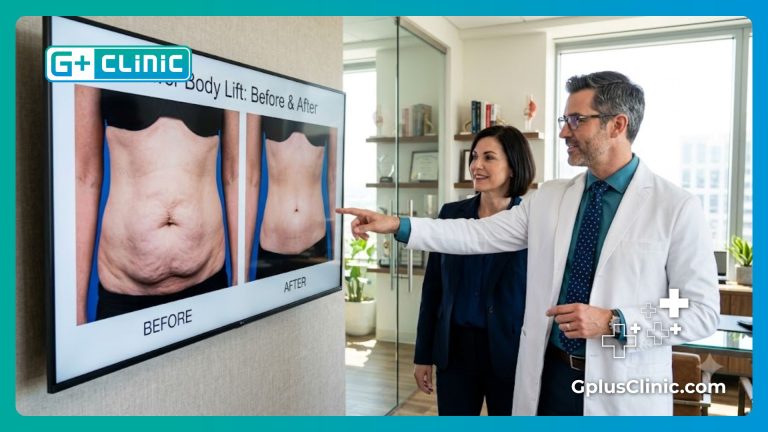
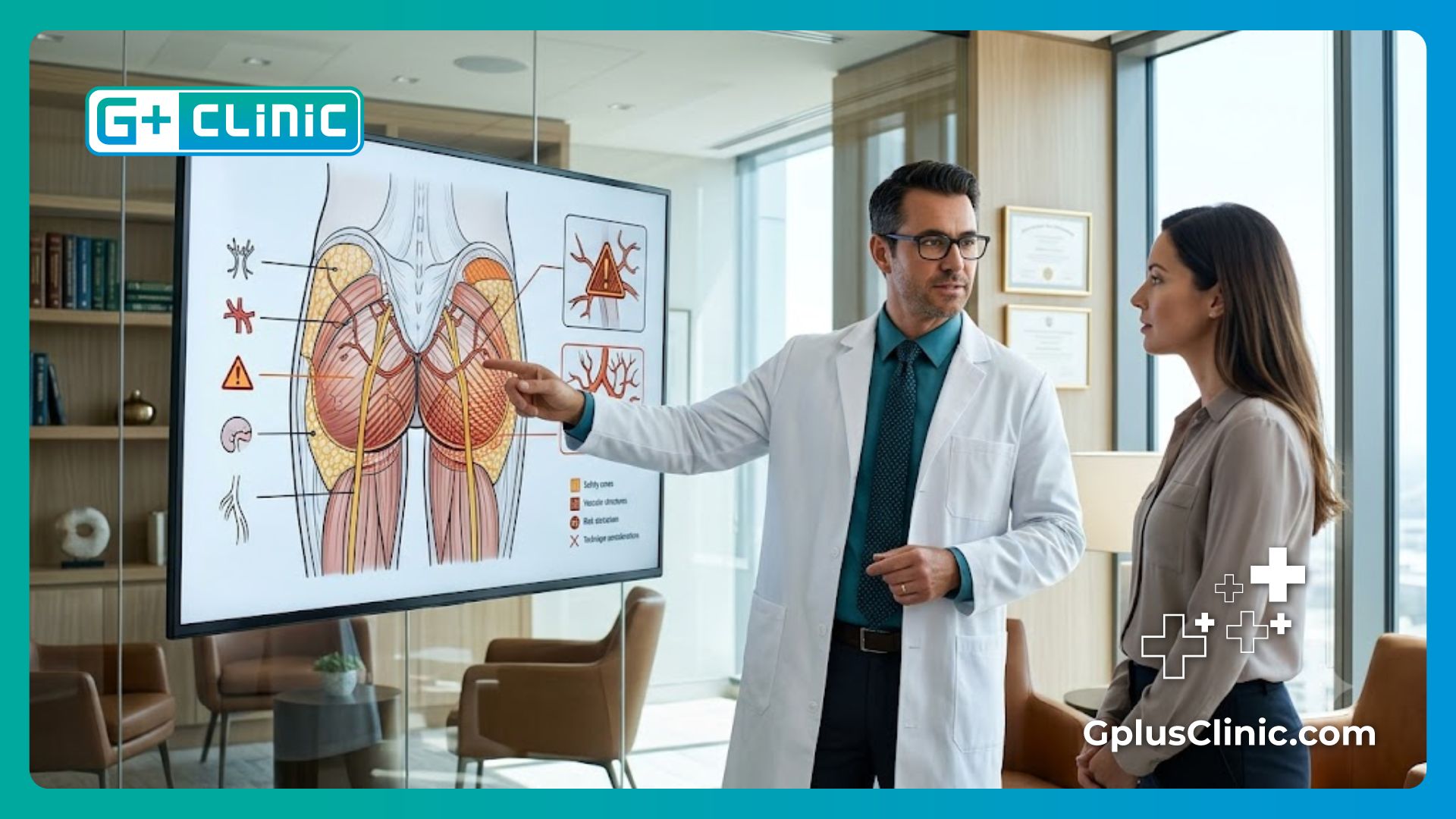
Safety is the priority when considering Risks of Buttock Augmentation in Turkey (Risks of Buttock Augmentation in Turkey), which is why G+ Clinic focuses on providing the safest, most clinically advanced medical environments to eliminate complications and deliver transformative body contouring results.
Risks of Buttock Augmentation in Turkey
The primary Risks of Buttock Augmentation in Turkey manifest as fat embolisms, deep tissue infections, asymmetrical fluid collection known as seromas, and permanent skin irregularities, all of which depend heavily on the operating surgeon’s expertise and the medical center’s sterilization protocols.
Moreover, modern medical evaluations indicate that understanding the underlying Risks of Buttock Augmentation in Turkey allows international patients to take proactive preventative measures well before arriving at the hospital. Clinical studies show that Risks of Buttock Augmentation in Turkey can escalate significantly when operations are conducted in sub-standard, non-accredited facilities that prioritize high patient volume over individual care. Consequently, analyzing these Risks of Buttock Augmentation in Turkey alongside certified medical staff remains the most reliable strategy for achieving an aesthetically balanced silhouette without compromising systemic wellness. On the other hand, the probability of encountering these severe Risks of Buttock Augmentation in Turkey decreases dramatically when patients undergo thorough preoperative screening and cardiovascular mapping. Ultimately, managing the Risks of Buttock Augmentation in Turkey requires an uncompromising dedication to patient safety protocols and advanced surgical execution.
“Achieving the perfect physical contour should never supersede absolute clinical safety, particularly when managing the complex Risks of Buttock Augmentation in Turkey. By implementing strict ultrasound-guided fat injection techniques and adhering closely to Joint Commission International (JCI) accreditation benchmarks, our medical teams successfully reduce postoperative complications to negligible statistical margins, offering global patients a premium, secure, and profoundly life-enhancing transformation.”
— Senior Reconstructive Surgeon atG+ Clinic
Defining the Buttock Augmentation Procedure
Buttock augmentation is an advanced surgical intervention designed to reshape, volumize, and elevate the gluteal region using autologous fat grafting, heavy-duty cohesive silicone implants, or a strategic combination of both methodologies.
Furthermore, the initial anatomical consultation plays a decisive role in identifying structural variations that could potentially amplify the Risks of Buttock Augmentation in Turkey during the fat extraction stage. Specialist surgeons must carefully assess tissue elasticity and overall fat distribution patterns to optimize long-term cellular survival rates. (According to the Cleveland Clinic, gluteal contouring procedures require a detailed analysis of a patient’s body mass index to avoid surgical deep vein thrombosis and ensure safe anesthesia maintenance). Consequently, tailored surgical planning acts as an indispensable shield, protecting patients from unforeseen Risks of Buttock Augmentation in Turkey while securing highly satisfying, natural-looking aesthetic proportions.
Comprehensive Surgical Cost Matrix
The current global medical economy demonstrates wide pricing variations that directly reflect the structural safeguards put in place to mitigate the Risks of Buttock Augmentation in Turkey:
Here is an analysis of how specialized clinical care balances with the Risks of Buttock Augmentation in Turkey:
| Specific Surgical Procedure | Price in Turkey | Price in Europe | Price in USA |
| Vaser Lipo + Autologous Fat Grafting (BBL) | €2,600 | €5,900 | €8,800 |
| Cohesive Silicone Gluteal Implants | €3,300 | €6,600 | €9,400 |
| High-Definition Hybrid Gluteal Augmentation | €3,600 | €7,200 | €10,000 |
| Secondary Revision Gluteal Surgery | €3,200 | €6,500 | €9,200 |
| Post-Biliopancreatic Diversion Gluteal Lift | €3,100 | €6,300 | €9,100 |
| Surgical Removal of Gluteal Implants | €2,400 | €5,100 | €7,900 |
| Specialized Post-Infiltration Fibrosis Therapy | €2,500 | €5,300 | €8,100 |
| Ultrasound-Guided Multi-Plane Fat Grafting | €2,900 | €6,100 | €8,900 |
| Limited Silhouette Reshaping (Micro-BBL) | €2,200 | €4,800 | €7,500 |
| Extended Core Liposuction with Gluteal Transfer | €3,400 | €6,800 | €9,600 |
Selecting fully integrated medical packages that include comprehensive post-operative diagnostics remains essential for keeping the Risks of Buttock Augmentation in Turkey under strict clinical supervision.
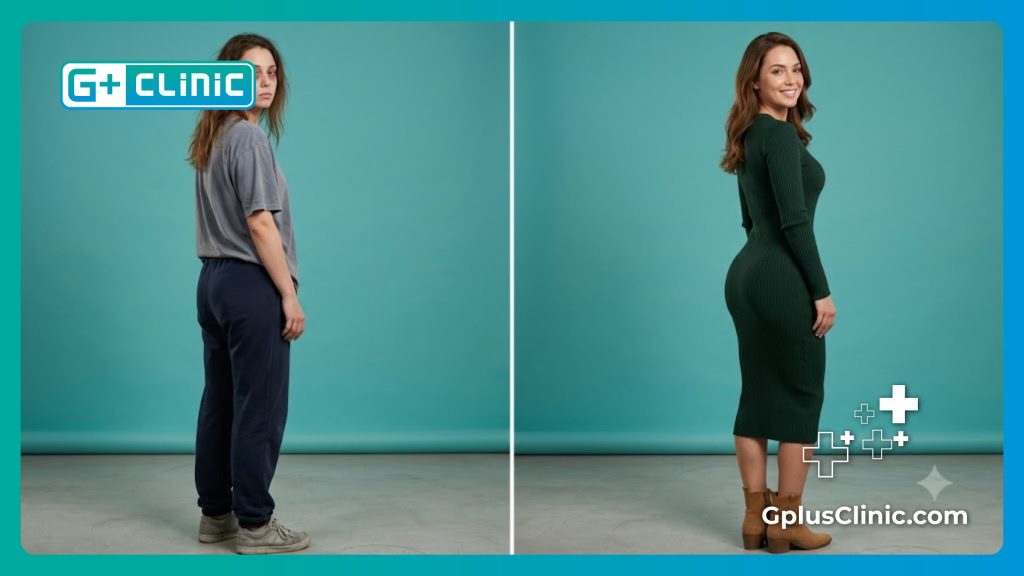
Advanced Technologies in Body Contouring
The application of cutting-edge surgical modalities plays an essential role in lowering the systemic Risks of Buttock Augmentation in Turkey:
- High-definition Vaser technology for gentle, ultrasound-assisted adipose harvesting.
- Power-Assisted Liposuction cannulas that minimize soft-tissue trauma and bleeding.
- Advanced J-Plasma cold helium energy for substantial subdermal skin tightening.
- Closed-loop Lipivage purification systems that maximize injected fat cell viability.
- Ergonomic cohesive gel implants designed to prevent rotational shifting.
- Real-time intraoperative ultrasound tracking to ensure safe superficial fat placement.
Utilizing these sophisticated surgical innovations dramatically lowers the inherent Risks of Buttock Augmentation in Turkey while accelerating tissue recovery.
Characteristics of the Ideal Surgical Candidate
An optimal candidate for gluteal enhancement possesses excellent systemic health, maintains a stable body mass index, and retains sufficient localized subcutaneous fat reserves across multiple donor sites.
In addition, precise patient selection serves as a primary defense mechanism against the chronic Risks of Buttock Augmentation in Turkey related to delayed wound healing or skin necrosis. (According to the Mayo Clinic, the absence of unmanaged metabolic disorders, such as Type 2 diabetes or chronic hypertension, reduces major elective surgical complications by more than seventy-five percent). Therefore, a transparent medical history assessment prevents vulnerable individuals from encountering the avoidable Risks of Buttock Augmentation in Turkey.
Target Anatomical Zones for Liposuction
Strategic multi-zone fat extraction must be executed with extreme anatomical precision to minimize the Risks of Buttock Augmentation in Turkey:
- The infraumbilical and supraumbilical abdominal walls.
- Lateral flanks and loin regions to emphasize waist narrowing.
- The upper posterior thoracic wall and infrascapular fat pads.
- Internal and external aspects of the upper femoral regions.
- The posterior sacral triangle to create definition.
Mapping these donor areas meticulously prevents contour deformities and directly diminishes the physical Risks of Buttock Augmentation in Turkey.
Anesthesia Protocols and Operating Duration
Administered under total general anesthesia, this complex procedure requires advanced airway management to keep the patient perfectly stable and eliminate any Risks of Buttock Augmentation in Turkey linked to sudden involuntary patient movement. The comprehensive operation generally spans between two to four hours, depending heavily on the volume of adipose tissue extracted, purified, and grafted. Furthermore, adherence to the strict guidelines set by international plastic surgery associations protects the patient’s cardiorespiratory system from stress during prolonged sedation. Consequently, a dedicated consultant anesthesiologist continuously tracks vital signs, fluid balance, and arterial oxygenation levels to completely eliminate any immediate Risks of Buttock Augmentation in Turkey.
Step-by-Step Surgical Timeline
Patients navigate through a highly structured sequence of clinical phases designed to actively prevent the Risks of Buttock Augmentation in Turkey:
| Clinical Phase | Exact Medical Intervention | Intended Healthcare Objective |
| Phase 1: Pre-Op | Comprehensive hematology, ECG, and chest radiography | Exclude latent underlying medical counterindications |
| Phase 2: Mapping | Precise topographical marking of donor and graft sites | Establish a highly balanced and symmetrical blueprint |
| Phase 3: Sedation | Induction of standardized general anesthesia | Maintain full patient comfort and hemodynamic stability |
| Phase 4: Harvesting | Multi-site Vaser liposuction at low negative pressure | Collect undamaged, highly viable adipose tissue clusters |
| Phase 5: Refining | Centrifugation, decantation, and antibiotic washing | Separate pure fat cells from blood and oil fractions |
| Phase 6: Grafting | Cannula infiltration into the superficial subcutaneous layer | Avoid deep intramuscular paths to prevent embolisms |
| Phase 7: Suture | Multilayered closure with absorbable monofilament threads | Seal incisions securely and minimize visible scar tissue |
| Phase 8: Drainage | Strategic placement of temporary silicone Jackson-Pratt drains | Prevent fluid accumulation and reduce seroma formation |
| Phase 9: Recovery | Application of customized medical compression garments | Stabilize the grafted fat cells and control swelling |
| Phase 10: Discharge | Final clinical evaluation and provision of medications | Ensure full systemic stability before resort transfer |
This methodical progression guarantees that the management of the Risks of Buttock Augmentation in Turkey remains rigorous and effective from start to finish.
Why Choose G+ Clinic for Surgical Care?
Our medical institution provides specialized, world-class surgical protocols engineered to minimize the Risks of Buttock Augmentation in Turkey:
- State-of-the-art hospitals operating with prestigious JCI accreditations.
- Internationally trained board-certified plastic surgeons with extensive clinical portfolios.
- Innovative, proprietary fat purification techniques that optimize long-term graft survival.
- 24/7 dedicated multilingual medical translation and personal care teams.
- A comprehensive 12-month post-operative follow-up and telemedicine program.
- Ultra-modern operating theatres equipped with positive-pressure laminar airflow filtration.
These exclusive institutional benefits ensure a highly luxurious aesthetic journey that successfully manages the Risks of Buttock Augmentation in Turkey.
Detailed Procedural Steps Revealed
Executing this complex intervention requires meticulous attention to clinical detail to eliminate the Risks of Buttock Augmentation in Turkey:
- Complete preoperative antiseptic skin preparation using chlorhexidine gluconate.
- Strategic execution of micro-incisions measuring less than three millimeters.
- Infiltration of specialized tumescent fluid to minimize blood loss.
- Gentle manual extraction of fat using specialized side-port cannulas.
- Closed-circuit processing to keep the fat entirely free from atmospheric contamination.
- Systematic micro-droplet injection to provide the transferred cells with maximum access to oxygen.
- Restricting all graft placement strictly to the space between the skin and the gluteus maximus muscle.
- Application of sterile, antimicrobial dressings immediately following wound closure.
Strict adherence to these operational steps successfully mitigates the severe Risks of Buttock Augmentation in Turkey.
Vaser vs. Traditional Surgical Techniques
Selecting advanced surgical modalities provides measurable benefits in controlling the Risks of Buttock Augmentation in Turkey:
Here is an objective look at how modern tools alter the Risks of Buttock Augmentation in Turkey:
| Clinical Parameter | Advanced Ultrasound Vaser Technique | Outdated Traditional Liposuction |
| Soft-Tissue Trauma | Exceptionally low; selectively targets fat cells | High; mechanically disrupts adjacent tissues |
| Post-Operative Pain | Minimal to mild; easily managed with light analgesics | Moderate to severe; requires heavy opioid use |
| Recovery Duration | Rapid; return to normal activities within ten days | Extended; often requires three to four weeks |
| Adipose Viability | Reaches up to eighty-five percent cell survival | Rarely exceeds fifty percent survival rate |
| Subdermal Retraction | Excellent; provides immediate skin tightening | Poor; can leave loose skin and sagging |
| Blood Loss Volume | Extremely nominal due to vascular preservation | Significant; increases risk of post-op anemia |
| Fluid Accumulation | Rare; minimal disruption to lymphatic pathways | Frequent; higher incidence of seroma creation |
| Secondary Revisions | Infrequent due to high precision and control | Common; often required to fix uneven contours |
This clear comparison shows that utilizing modern technologies is highly effective for reducing the Risks of Buttock Augmentation in Turkey.
When Do Optimal Results Manifest?
Initial structural changes become visible immediately after the procedure, whereas the definitive, permanent aesthetic contour takes three to six months to fully establish as residual edema subsides.
Furthermore, being well-informed about the timeline prevents patients from confusing normal post-surgical swelling with the long-term Risks of Buttock Augmentation in Turkey. Consequently, the ultimate survival of the transferred adipose tissue depends heavily on maintaining proper circulation and avoiding direct pressure on the treated area during the critical first few weeks, which actively mitigates the Risks of Buttock Augmentation in Turkey related to fat necrosis.
Crucial Preparation Instructions
Total compliance with preoperative medical instructions is necessary to reduce the Risks of Buttock Augmentation in Turkey:
- Discontinue all forms of nicotine use for a minimum of four weeks prior to surgery.
- Halted intake of vitamin E supplements, aspirin, and non-steroidal anti-inflammatory drugs.
- Maintain absolute fasting for eight hours before entering the surgical clinic.
- Complete all prescribed blood screens, chemical panels, and cardiac assessments.
- Perform a full chlorhexidine skin wash the evening before and morning of surgery.
- Disclose all known drug allergies and current prescription regimens to the clinical staff.
Following these preparatory guidelines creates a secure clinical foundation, shielding the patient from preventable Risks of Buttock Augmentation in Turkey.
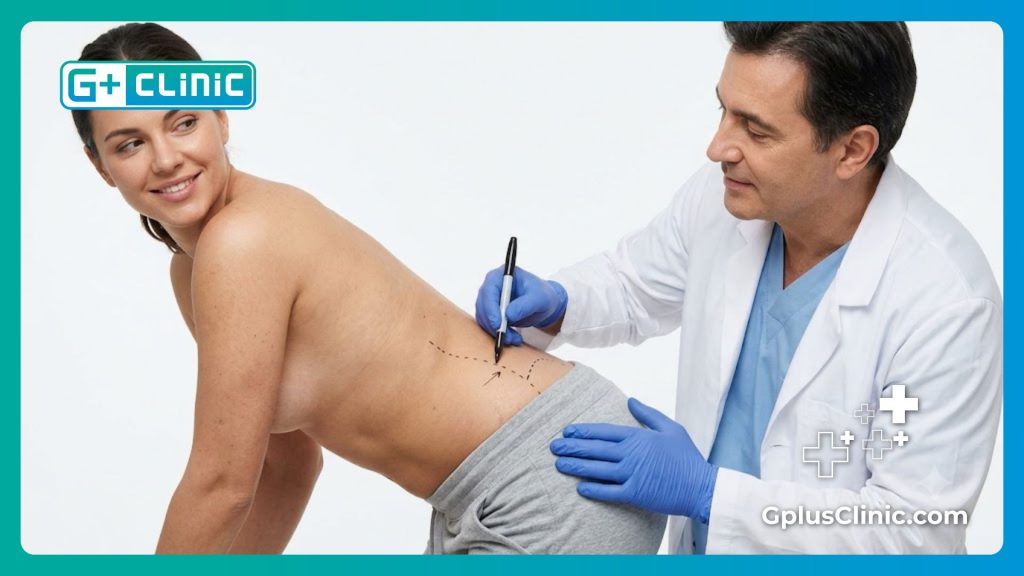
Comprehensive Pros and Cons Evaluation
Evaluating the benefits alongside the Risks of Buttock Augmentation in Turkey is essential for making an informed decision:
| Definitive Aesthetic Advantages | Potential Clinical Disadvantages |
| Creates a highly symmetrical, beautifully proportioned body contour | Requires strict avoidance of sitting directly on the glutes for weeks |
| Effectively removes unwanted fat from stubborn pockets | Temporary bruising and swelling are unavoidable parts of healing |
| Delivers completely natural-looking and soft-to-the-touch results | A portion of the injected fat is naturally reabsorbed by the body |
| Provides a dual benefit of body slimming and gluteal lifting | Requires multiple post-op lymphatic drainage massage sessions |
| Boosts self-confidence and expands wardrobe options significantly | Minor skin tone and texture irregularities may take time to smooth |
| Utilizes very small incisions that leave minimal, faint scarring | Relies heavily on having adequate personal body fat reserves |
| Enhances the overall projection and profile of the lower body | Requires wearing tight compression garments for at least a month |
| Delivers long-term structural improvement with a stable lifestyle | Can require a second touch-up session to reach maximum volume |
This objective assessment allows individuals to realistically weigh the aesthetic gains against the potential Risks of Buttock Augmentation in Turkey.
Exclusive VIP Services for Medical Tourists
Premium clinical packages are specifically designed to offer comfort and reduce the Risks of Buttock Augmentation in Turkey by eliminating travel stress:
- Private luxury transfers in chauffeured, spacious VIP vehicles.
- Five-star hotel accommodations configured for post-surgical recovery.
- In-hotel private nursing care to monitor vital signs and manage dressings.
- Thoroughly coordinated companion assistance and custom meal planning.
- Immediate access to specialized medical clinics for all follow-up checks.
- Dedicated emergency communication channels available around the clock.
Providing an effortless, high-end environment allows patients to focus entirely on healing, keeping the Risks of Buttock Augmentation in Turkey to an absolute minimum.
Common Myths Surrounding the Procedure
A widespread misconception is that gluteal fat transfer serves as an overall weight loss technique, whereas it is actually a highly specific body contouring and reshaping procedure.
In addition, many individuals mistakenly believe that modern silicone gluteal implants are prone to rupturing under everyday physical pressure, which is inaccurate due to the heavy gel composition used in modern manufacturing, which minimizes the Risks of Buttock Augmentation in Turkey. (According to ISAPS, modern cohesive silicone implants are engineered to withstand extreme physical stress, making implant rupture one of the rarest complications in contemporary plastic surgery). Dispelling these common myths helps patients form realistic expectations while understanding the actual Risks of Buttock Augmentation in Turkey.
Post-Operative Recovery Timeline
Adhering to a carefully planned recovery timeline is essential for avoiding the Risks of Buttock Augmentation in Turkey:
- Days 1–3: Maintain absolute bed rest, manage discomfort with medication, and avoid any sitting.
- Days 4–7: Begin light indoor walking to promote healthy blood circulation.
- Week 2: Return to light office work while using a specialized gluteal cushion.
- Month 1: Gradually discontinue compression garments following a final clinical check.
- Month 3: Resume low-impact physical exercise as swelling continues to resolve.
- Month 6: Enjoy final, settled results as incision lines fade into the skin.
Following this step-by-step recovery plan helps secure the newly transferred fat cells while preventing the Risks of Buttock Augmentation in Turkey.
Real Patient Transformation Stories
- Emma (31 years old): “I was incredibly anxious about the Risks of Buttock Augmentation in Turkey, but the meticulous care at G+ Clinic completely reassured me. My recovery was seamless, and the results are perfectly natural.”
- David (36 years old): “After a major weight loss journey, I needed structural contouring. The medical team explained the Risks of Buttock Augmentation in Turkey clearly and tailored a safe, high-definition Vaser procedure that exceeded my expectations.”
- Sophia (28 years old): “The specialized care I received, from the private nurse at the hotel to the thorough post-op checks, kept me completely safe from the Risks of Buttock Augmentation in Turkey. It was truly a first-class medical experience.”
- Elena (43 years old): “I chose a hybrid augmentation using both implants and fat transfer. The surgeons managed the complex Risks of Buttock Augmentation in Turkey with absolute professionalism, and my new silhouette has transformed my confidence.”
Essential Financial Planning and Hidden Costs
Thorough financial preparation ensures that patients do not compromise on essential safety measures designed to prevent the Risks of Buttock Augmentation in Turkey:
- International round-trip flights and unexpected itinerary adjustments.
- Purchasing extra, high-grade medical compression garments for hygiene.
- Post-discharge prescription medications, specialized pain relievers, and antibiotics.
- Booking additional nights of accommodation if an extended recovery is recommended.
- Essential post-operative professional lymphatic drainage massage treatments.
Accounting for these additional expenses guarantees a stress-free recovery, allowing patients to focus fully on avoiding the Risks of Buttock Augmentation in Turkey.
Long-Term Maintenance and Care Tips
Preserving your body contour over time requires a dedicated post-surgical lifestyle to avoid the Risks of Buttock Augmentation in Turkey related to fat loss:
- Drink at least three liters of clean water daily to support cellular health.
- Eat a nutrient-dense diet rich in lean proteins, healthy fats, and essential vitamins.
- Utilize a specialized pillow for the first eight weeks whenever sitting down.
- Avoid all nicotine exposure to ensure long-term capillary health and graft survival.
- Complete all recommended professional lymphatic massages to prevent tissue firmness.
Incorporating these healthy habits into your daily routine protects your aesthetic investment and minimizes the long-term Risks of Buttock Augmentation in Turkey.
Buttock Augmentation vs. Gastric Sleeve
Understanding how different surgical options function allows patients to make informed choices that fit their health goals while managing the Risks of Buttock Augmentation in Turkey:
| Clinical Comparison Factor | Advanced Buttock Augmentation (BBL) | Metabolic Gastric Sleeve Surgery |
| Primary Medical Goal | Targeted shape enhancement and body contouring | Substantial, systemic total body weight reduction |
| Basic Operational Method | Fat harvesting via liposuction and re-injection | Surgical reduction of the total stomach volume |
| Main Treatment Area | Focuses primarily on the gluteal and waist regions | Impacts the entire digestive and metabolic system |
| Recovery Requirements | Requires avoiding direct pressure on the glutes | Demands a strict, long-term liquid and soft-food diet |
| Longevity of Outcomes | Permanent if a stable body weight is maintained | Depends on long-term adherence to dietary changes |
| Anesthesia Category | Administered under general anesthesia | Administered under general anesthesia |
| Post-Op Tissue Changes | Specialized skin tightening using advanced technologies | Can result in loose skin requiring later lifts |
| Ideal Candidate Type | Individuals near their goal weight with stubborn fat | Individuals experiencing clinically significant obesity |
Reviewing this comparative analysis helps patients choose the right surgical path while effectively balancing the Risks of Buttock Augmentation in Turkey.
Embracing a Healthy Post-Surgical Lifestyle
Surgical intervention represents the initial step toward achieving a refined silhouette, but maintaining those results requires a long-term commitment to health. Adopting a well-balanced exercise routine once fully cleared by your surgeon helps tone the underlying muscle groups, enhancing the overall projection of the contour. Additionally, focusing on whole foods and avoiding highly processed options ensures that your remaining fat cells stay stable, preventing the Risks of Buttock Augmentation in Turkey associated with sudden weight fluctuations that can alter your symmetrical results.
Seamless Booking Protocol at G+ Clinic
Our medical center provides a clear, highly coordinated booking process designed to keep patients safe from the Risks of Buttock Augmentation in Turkey right from the start:
- Reach out directly via our official digital channels or WhatsApp.
- Submit the requested medical photographs for an initial evaluation.
- Receive a customized treatment plan along with a transparent cost breakdown.
- Confirm your travel dates, hotel reservations, and VIP transfers with our team.
- Arrive at our hospital for your final in-person consultation and lab work.
- Undergo your customized procedure within a highly secure, sterile environment.
This organized approach ensures that every detail is managed carefully to eliminate the Risks of Buttock Augmentation in Turkey.
Conclusion: Making an Informed Decision
Taking the step to undergo body contouring is a deeply personal decision that can significantly enhance your self-image, provided you fully understand the Risks of Buttock Augmentation in Turkey and choose a highly qualified medical team. Prioritizing safety, advanced clinical technology, and thorough aftercare is the most effective way to ensure a rewarding experience. Are you ready to begin your transformation with a trusted partner? Contact G+ Clinic today to schedule your comprehensive virtual consultation with leading global experts.
FAQ Regarding Risks of Buttock Augmentation in Turkey
How do advanced techniques prevent fat embolisms as part of the Risks of Buttock Augmentation in Turkey?
Surgeons avoid fat embolisms by placing all adipose tissue injections strictly into the superficial subcutaneous space between the skin and the muscle tissue. Using large, blunt cannulas under ultrasound guidance prevents entry into deep gluteal blood vessels, eliminating this severe aspect of the Risks of Buttock Augmentation in Turkey.
Is temporary post-surgical swelling considered one of the chronic Risks of Buttock Augmentation in Turkey?
No, fluid retention and minor swelling are completely normal parts of the body’s inflammatory healing response after surgery. These temporary symptoms resolve gradually over several weeks with the help of compression garments and professional lymphatic drainage, meaning they do not fall under the chronic Risks of Buttock Augmentation in Turkey.
Can high-quality silicone implants cause long-term Risks of Buttock Augmentation in Turkey?
Modern cohesive gel silicone implants are exceptionally durable and designed to remain stable under physical pressure. When placed by a board-certified surgeon within an accredited facility, the long-term Risks of Buttock Augmentation in Turkey, such as implant displacement or capsule firmness, are kept to an absolute minimum.
What role do compression garments play in reducing the Risks of Buttock Augmentation in Turkey?
Custom medical compression garments apply continuous, even pressure across the treated areas, which effectively prevents fluid collection, reduces swelling, and helps the skin conform smoothly to the new contour. Wearing these garments as directed is a key factor in avoiding the healing-related Risks of Buttock Augmentation in Turkey.
Does smoking increase the structural Risks of Buttock Augmentation in Turkey?
Yes, nicotine constricts blood vessels and significantly reduces oxygen delivery to healing tissues, which can lead to complications like delayed wound healing, skin loss, or a lower survival rate for transferred fat cells. Quitting smoking well in advance is essential for avoiding these specific Risks of Buttock Augmentation in Turkey.