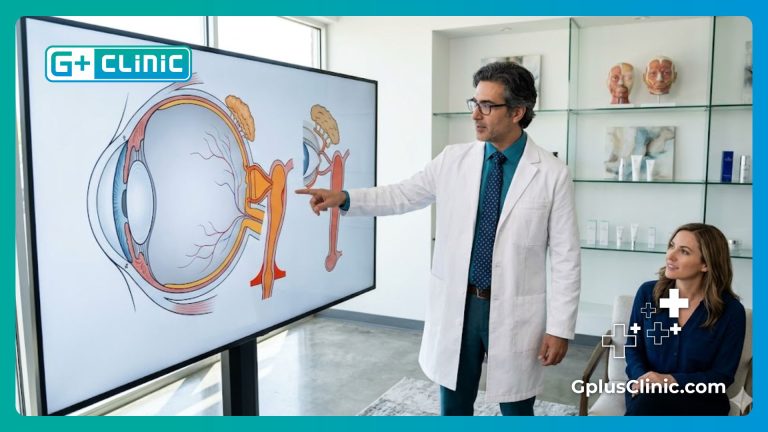

Safety is the priority when considering Risks of corneal transplant in Turkey. Consequently, understanding every medical aspect is vital for international patients seeking vision restoration. Furthermore, G+ Clinic provides state-of-the-art ophthalmic care and comprehensive support to mitigate any potential surgical complications effectively.
Potential Risks of corneal transplant in Turkey
Risks of corneal transplant in Turkey include potential graft rejection, severe ocular infections, elevated intraocular pressure, and retinal swelling. However, these complications remain exceptionally rare when selecting internationally accredited medical facilities that strictly enforce comprehensive patient safety protocols.
Risks of corneal transplant in Turkey necessitate thorough preoperative evaluations to ensure optimal visual outcomes and prevent unforeseen immunological reactions. Moreover, skilled ophthalmic surgeons utilize advanced diagnostic imaging to preemptively identify any underlying anatomical anomalies within the ocular surface. Consequently, this meticulous surgical approach significantly diminishes the likelihood of postoperative adverse events, safeguarding the delicate structures of the eye. On the other hand, patient compliance with prescribed immunosuppressive therapies plays a monumental role in long-term success.
“Safety must always precede functional restoration in any ophthalmic procedure. By meticulously evaluating the ocular anatomy and enforcing stringent immunosuppressive protocols, we successfully neutralize potential complications, ensuring long-term donor graft survival.” – Global Medical Authority at G+ Clinic.
What are the Risks of corneal transplant in Turkey?
Risks of corneal transplant in Turkey encompass the surgical complexities involved in replacing diseased corneal tissue with a healthy donor graft. (According to Cleveland Clinic, advanced medical interventions drastically reduce rejection rates and restore functional vision seamlessly).
Risks of corneal transplant in Turkey require patients to comprehend the intricate balance between immunological acceptance and cellular healing. Furthermore, specialized ophthalmic teams employ cutting-edge femtosecond lasers to create incredibly precise incisions, thereby minimizing surgical trauma. As a result, the integration of the donor tissue proceeds with enhanced structural stability. Consequently, patients experience a smoother transition toward optimal visual acuity without severe disruptions.

Risks of corneal transplant in Turkey Cost Table
Analyzing financial variables is crucial when evaluating the Risks of corneal transplant in Turkey comprehensively.
| Medical Procedure Component | Turkey | Europe | USA |
| Initial Ophthalmic Consultation | 100€ | 350€ | 600€ |
| Comprehensive Diagnostic Imaging | 250€ | 700€ | 1200€ |
| Core Surgical Intervention | 3500€ | 8500€ | 16000€ |
| Specialized General Anesthesia | 450€ | 1300€ | 2800€ |
| Immunosuppressive Eye Drops | 200€ | 500€ | 900€ |
| Routine Postoperative Follow-up | 150€ | 400€ | 700€ |
| Premium Hospital Accommodation | 350€ | 1200€ | 2500€ |
| Emergency Complication Management | 500€ | 1500€ | 3000€ |
| Endothelial Cell Count Tests | 300€ | 800€ | 1400€ |
| Long-term Vision Therapy | 400€ | 1000€ | 2000€ |
Therefore, understanding this financial breakdown helps patients manage the Risks of corneal transplant in Turkey with total confidence.
Advanced Technologies for Risks of corneal transplant in Turkey
Here are the advanced technologies used to minimize the Risks of corneal transplant in Turkey effectively:
- State-of-the-art femtosecond laser systems.
- High-resolution optical coherence tomography.
- Advanced endothelial keratoplasty instruments.
- Microscopic surgical suturing materials.
- Computer-assisted topographical mapping.
- Specular microscopy for cell analysis.
- Automated continuous intraocular monitors.
- Triple-sterilization operating room environments.
Ultimately, these sophisticated medical innovations significantly reduce the Risks of corneal transplant in Turkey for every patient.
Candidates for Risks of corneal transplant in Turkey
Candidates mitigating Risks of corneal transplant in Turkey must possess good general health, controlled intraocular pressure, and an absence of active systemic autoimmune diseases. (According to Mayo Clinic, rigorous patient screening is fundamental to preventing graft failure and achieving lasting vision).
Risks of corneal transplant in Turkey dictate that optimal candidates undergo an exhaustive medical background check prior to surgical approval. Moreover, individuals suffering from severe, untreatable dry eye syndrome might be temporarily excluded until their ocular surface stabilizes. Consequently, this highly selective process ensures that only those with the highest probability of cellular integration proceed to the operating room.
Target Areas for Risks of corneal transplant in Turkey
These specific pathological conditions represent the main focus when addressing the Risks of corneal transplant in Turkey thoroughly:
- Advanced stages of keratoconus disease.
- Chronic and deep corneal ulcers.
- Severe scarring from previous ocular trauma.
- Permanent swelling of the corneal tissues.
- Extreme thinning of the eye’s surface.
- Complications from prior cataract surgeries.
- Deep-seated bacterial or viral infections.
- Inherited endothelial dystrophies (Fuchs’).
Consequently, early diagnosis of these exact conditions is paramount to controlling the Risks of corneal transplant in Turkey successfully.
Anesthesia for Risks of corneal transplant in Turkey
The surgical procedure is typically performed under local anesthesia with sedation or general anesthesia, lasting approximately one to two hours. This precise administration minimizes intraoperative stress and ensures absolute patient immobility during microscopic tissue manipulation.
Risks of corneal transplant in Turkey are carefully managed by expert anesthesiologists who continuously monitor the patient’s vital signs. Furthermore, utilizing highly customized anesthetic dosages prevents dangerous spikes in blood pressure that could compromise the delicate ocular blood vessels. As a result, the transition from the surgical phase to the recovery room occurs with maximum physiological stability.
Risks of corneal transplant in Turkey Steps Timeline
This clinical timeline illustrates the systematic approach to controlling the Risks of corneal transplant in Turkey safely.
| Chronological Phase | Specific Medical Action | Primary Clinical Objective |
| Preoperative Preparation | Total sterilization of the ocular area | Preventing any opportunistic bacterial infection |
| Anesthesia Administration | Injecting customized sedative agents | Guaranteeing complete patient comfort and immobility |
| Diseased Tissue Removal | Extracting the damaged corneal layers | Eliminating the source of severe visual impairment |
| Donor Tissue Placement | Positioning the healthy graft accurately | Restoring the structural integrity of the cornea |
| Microscopic Suturing | Securing the graft with ultra-fine threads | Preventing structural displacement during healing |
| Intraocular Monitoring | Checking fluid pressure within the eye | Avoiding sudden and dangerous ocular hypertension |
| Immediate Recovery | Transferring the patient to a sterile suite | Ensuring stable cardiovascular and respiratory signs |
| Final Discharge Check | Evaluating visual acuity and graft status | Confirming safety before allowing the patient home |
By strictly following these protocols, medical teams expertly navigate the Risks of corneal transplant in Turkey.
Why G+ Clinic for Risks of corneal transplant in Turkey?
Here are the compelling reasons patients choose G+ Clinic to handle the Risks of corneal transplant in Turkey:
- Global JCI accreditation for medical safety.
- Elite surgeons with decades of specialized experience.
- Round-the-clock dedicated ophthalmic nursing care.
- Highly purified and controlled operating theaters.
- Professional native-speaking medical translators.
- Comprehensive one-year post-surgical follow-up.
- Secure and luxurious private transportation services.
- Fully customized immunological treatment plans.
Therefore, relying on these exceptional standards fundamentally minimizes the Risks of corneal transplant in Turkey.
Procedure Details for Risks of corneal transplant in Turkey
These sequential steps are mandatory to prevent any Risks of corneal transplant in Turkey during the operation:
- Conducting extensive biometric eye measurements.
- Reviewing the patient’s comprehensive pharmacological history.
- Selecting the most compatible donor tissue available.
- Preparing the patient within a sanitized clinical environment.
- Applying topical anesthetics and pupil-dilating drops.
- Excising the pathological cornea with laser precision.
- Implanting and perfectly aligning the new donor graft.
- Prescribing crucial postoperative antibiotic regimens.
Moreover, rigorous adherence to these technical stages guarantees a profound reduction in the Risks of corneal transplant in Turkey.
Risks of corneal transplant in Turkey Tech Comparison
This analytical comparison highlights how different methodologies impact the Risks of corneal transplant in Turkey clinically.
| Comparative Aspect | Full-Thickness Transplant | Endothelial Keratoplasty | Femtosecond Laser Method |
| Surgical Precision | Moderately High | Extremely High | Unprecedentedly High |
| Healing Velocity | Relatively Slow | Rapidly Progressive | Exceptionally Fast |
| Graft Rejection Rate | Statistically Moderate | Considerably Low | Extremely Low |
| Postoperative Pain | Noticeable but Managed | Mild to Minimal | Practically Non-existent |
| Vision Restoration | Gradual over months | Swiftly improving | Almost immediately clear |
| Suture Requirement | Dense and numerous | Few to none | Largely sutureless |
| Operational Duration | Approximately two hours | Around one hour | Under forty-five minutes |
| Structural Stability | Highly Dependable | Excellent long-term | Superior anatomical fit |
Consequently, selecting the optimal technological approach drastically alters the Risks of corneal transplant in Turkey for the better.
When do Risks of corneal transplant in Turkey Results Appear?
Patients notice a gradual improvement in visual clarity within the first few weeks, but final, stable results materialize between 6 to 12 months. This extended timeline is necessary for the microscopic tissues to fully heal and all internal swelling to completely subside.
Risks of corneal transplant in Turkey demand tremendous patience from the individual undergoing the reconstructive process. Furthermore, consistent monitoring is absolutely required to detect any early microscopic signs of immunological rejection. Consequently, maintaining a strict schedule for specialized eye drops remains the cornerstone of securing an excellent long-term visual outcome.
Preparation for Risks of corneal transplant in Turkey
Proper preoperative preparation is the ultimate defense against the Risks of corneal transplant in Turkey:
- Ceasing all forms of tobacco consumption strictly.
- Halting the intake of blood-thinning medications.
- Completing all mandatory systemic blood analyses.
- Fasting for at least eight hours before surgery.
- Organizing a reliable companion for discharge day.
- Procuring high-quality polarized prescription sunglasses.
- Disclosing any history of severe allergic reactions.
- Ensuring adequate restorative sleep the night prior.
Consequently, executing these preparatory steps flawlessly neutralizes many inherent Risks of corneal transplant in Turkey. (According to WHO, rigorous global safety standards and optimal patient preparation significantly curb infection transmission during organ and tissue transplantation).

Pros and Cons of Risks of corneal transplant in Turkey
Evaluating this balance is essential for patients researching the Risks of corneal transplant in Turkey critically.
| Clinical Advantages and Benefits | Potential Disadvantages and Risks |
| Total restoration of transparent vision | Possibility of unexpected donor tissue rejection |
| Massive improvement in daily life quality | Requirement for prolonged steroid drop usage |
| Elimination of chronic ocular surface pain | Susceptibility to severe postoperative infections |
| Long-lasting and structurally stable results | Temporary or prolonged elevated eye pressure |
| High statistical probability of surgical success | Extended and demanding physical recovery period |
| Eradication of severe keratoconus symptoms | Potential reliance on corrective lenses afterward |
| Implementation of minimally invasive lasers | Accrual of costs related to extended follow-ups |
| Access to world-class Turkish medical care | Inevitable preoperative psychological anxiety |
Ultimately, the profound visual benefits typically outweigh the manageable Risks of corneal transplant in Turkey when guided by experts.
VIP Services for Risks of corneal transplant in Turkey
Premium amenities are designed to alleviate the psychological stress associated with the Risks of corneal transplant in Turkey:
- Exclusive VIP reception at the international airport.
- Luxurious accommodation in certified five-star hotels.
- Private, sanitized vehicles for all medical transfers.
- Dedicated personal nursing staff for immediate assistance.
- Remote telemedicine consultations prior to arrival.
- Nutritionally optimized meals tailored for the patient.
- Direct emergency contact lines available 24/7.
- Guided, low-stress medical tourism excursions safely.
Consequently, this elite level of comfort helps patients navigate the Risks of corneal transplant in Turkey with total peace of mind.
Myths about Risks of corneal transplant in Turkey
A prevalent myth is that the surgery alters the patient’s natural eye color or results in unbearable agony. The undeniable truth is that the donor cornea is perfectly transparent, leaving the iris color unchanged, and the procedure is entirely painless due to advanced anesthesia.
Risks of corneal transplant in Turkey are frequently exaggerated by unverified online sources, leading to unnecessary panic. Moreover, the misconception that the procedure inevitably causes permanent blindness is statistically false. Consequently, patients must exclusively rely on board-certified ophthalmic surgeons at G+ Clinic for factual, evidence-based medical literature.
Recovery after Risks of corneal transplant in Turkey
Adhering to a strict recuperation schedule is mandatory to defeat the Risks of corneal transplant in Turkey safely:
- First Week: Absolute physical rest and intense topical medication.
- First Month: Strict avoidance of eye rubbing or heavy lifting.
- Third Month: Critical clinical evaluation for immunological acceptance.
- Sixth Month: Potential removal of superficial microscopic sutures safely.
- Ninth Month: Significant stabilization in overall visual acuity.
- First Year: Achievement of the final, uninterrupted visual result.
By meticulously following these specific guidelines, patients successfully bypass the major Risks of corneal transplant in Turkey.
Patient Stories: Risks of corneal transplant in Turkey
These authentic narratives illuminate how individuals successfully overcame the Risks of corneal transplant in Turkey:
- James (45): “I was incredibly apprehensive about the Risks of corneal transplant in Turkey, but the meticulous care at G+ Clinic made my journey exceptionally safe, and my vision is phenomenal now.”
- Elena (32): “Despite my initial fears regarding the Risks of corneal transplant in Turkey, I proceeded with the operation. The outcome was a total restoration of my sight and a complete life transformation.”
- Omar (50): “The potential immunological Risks of corneal transplant in Turkey worried me deeply, but the precise postoperative monitoring and steroid protocols prevented any complications entirely.”
- Sophia (28): “After battling severe keratoconus for years, I realized the manageable Risks of corneal transplant in Turkey pale in comparison to the immense gift of seeing the world clearly again.”
Ultimately, these verified experiences prove that the Risks of corneal transplant in Turkey are expertly controlled by dedicated specialists.
Hidden Costs for Risks of corneal transplant in Turkey
Financial foresight is necessary to comprehensively prepare for the Risks of corneal transplant in Turkey smoothly:
- Round-trip international flight reservations and taxes.
- Specialized polarized eyewear for photophobia protection.
- Extended prescriptions for immunosuppressive ocular drops.
- Daily living expenses for the accompanying travel companion.
- Secondary diagnostic testing required in your home country.
- Potential fees for prolonged hotel stays if medically advised.
- Comprehensive medical travel insurance covering surgical complications.
- Unforeseen expenses related to dietary or transport upgrades.
Therefore, calculating these variables in advance significantly mitigates the financial Risks of corneal transplant in Turkey.
Maintaining Risks of corneal transplant in Turkey Results
Proactive habits are strictly required to combat the long-term Risks of corneal transplant in Turkey permanently:
- Upholding absolute punctuality with prescribed eye drop regimens.
- Wearing protective UV-blocking sunglasses during daylight hours continually.
- Avoiding high-impact sports or aquatic activities prematurely.
- Refraining completely from applying physical pressure to the eyes.
- Scheduling uninterrupted routine check-ups with a local ophthalmologist.
- Practicing rigorous hand hygiene before touching the facial area.
- Reporting any sudden ocular redness or pain instantaneously.
- Maintaining a nutrient-rich diet to support cellular healing.
Consequently, embedding these practices into daily life secures a lifetime of protection against the Risks of corneal transplant in Turkey.
Risks of corneal transplant in Turkey vs Alternatives
This clinical matrix contrasts alternative interventions against the specific Risks of corneal transplant in Turkey directly.
| Comparative Metric | Rigid Gas Permeable Lenses | Intracorneal Ring Segments | Full Corneal Transplantation |
| Disease Progression Stage | Mild to moderately progressive | Moderate with structural changes | Severe, advanced, and debilitating |
| Therapeutic Nature | Entirely non-surgical approach | Minimally invasive surgical procedure | Complex reconstructive microsurgery |
| Result Longevity | Strictly temporary (while wearing) | Generally long-term stability | Often permanent vision restoration |
| Potential Complications | Minor superficial corneal abrasions | Unwanted segment migration or extrusion | Complete immunological tissue rejection |
| Convalescence Period | Absolutely zero downtime required | A few days of mild discomfort | Several months of strict recuperation |
| Financial Investment | Low initial cost but ongoing | Moderate, one-time surgical fee | High initial investment for surgery |
| Maintenance Protocol | Daily rigorous cleaning required | Annual topographical evaluation | Lifelong monitoring and care |
| Tissue Intervention | Exclusively rests on the surface | Implanted within the corneal stroma | Complete removal and tissue replacement |
Therefore, this detailed analysis demonstrates why the Risks of corneal transplant in Turkey are justified for severe visual impairments.
Healthy Lifestyle Block
The holistic environment of the patient deeply influences the Risks of corneal transplant in Turkey following discharge. Consuming a robust diet overloaded with essential antioxidants, particularly vitamins A and C, is biologically imperative to accelerate cellular regeneration and fortify the ocular surface against opportunistic pathogens. Furthermore, patients must actively avoid heavily polluted environments, smoke-filled rooms, and excessive digital screen time to prevent severe ocular irritation and dangerous dryness. (According to ISAPS, complex reconstructive surgeries demand infinite precision and immaculate postoperative care to secure both aesthetic excellence and uncompromised functional integrity). Consequently, a disciplined, health-conscious lifestyle serves as the ultimate barrier against surgical failure, transforming a vulnerable healing period into a permanent triumph of restored vision.

Booking Risks of corneal transplant in Turkey at G+
Initiate your journey toward visual clarity and minimize the Risks of corneal transplant in Turkey by following these steps:
- Contact the dedicated international patient coordinators online immediately.
- Submit all recent topographical eye scans and medical reports securely.
- Receive a comprehensive, complimentary virtual surgical consultation swiftly.
- Finalize your customized medical itinerary and transparent cost breakdown.
- Secure your flight tickets and confirm the proposed surgical dates.
- Arrive in Istanbul to experience elite VIP airport reception seamlessly.
Consequently, this highly organized logistical pathway eradicates the logistical Risks of corneal transplant in Turkey entirely.
Ready for Risks of corneal transplant in Turkey?
In conclusion, undergoing specialized ophthalmic microsurgery is a profound life decision that requires an exhaustive understanding of the Risks of corneal transplant in Turkey. Thanks to unparalleled technological advancements and the authoritative surgical expertise available in the country, this delicate procedure has never been more secure or predictable. Furthermore, adhering strictly to professional medical guidance guarantees that you will safely reclaim your visual independence. Are you the right candidate to overcome the Risks of corneal transplant in Turkey and transform your future? Reach out to G+ Clinic today for an elite, personalized medical evaluation.
FAQ about Risks of corneal transplant in Turkey
Can the surgery fail and trigger the Risks of corneal transplant in Turkey?
Yes, there is a biological possibility of the host immune system rejecting the donor tissue, which is one of the primary Risks of corneal transplant in Turkey. However, this alarming condition is highly treatable with potent steroid drops if detected immediately during routine check-ups.
How long does the newly transplanted cornea last?
In the vast majority of highly successful clinical cases, the transplanted cornea can function flawlessly for decades or even a lifetime. This extraordinary longevity depends entirely on strict adherence to postoperative care and actively avoiding the Risks of corneal transplant in Turkey.
Is the surgical procedure physically painful for the patient?
No, the patient remains completely oblivious to pain during the microsurgery due to the administration of highly effective anesthetics. Following the procedure, any mild stinging or discomfort is easily neutralized with standard prescribed analgesics.
When am I medically cleared to resume my professional career?
This timeline depends heavily on your specific occupational demands and environment. Most individuals comfortably return to light, screen-based office duties within two to three weeks, provided they follow strict protocols to avoid the Risks of corneal transplant in Turkey.
Will I still be dependent on prescription eyeglasses after full recovery?
Yes, a significant percentage of patients will require specialized eyeglasses or rigid contact lenses post-recovery to rectify any residual astigmatism. This is a standard optical adjustment and is not classified as one of the dangerous Risks of corneal transplant in Turkey.