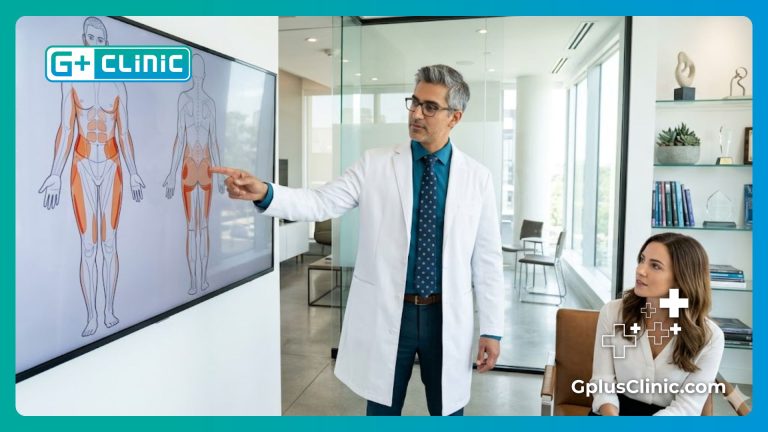

Safety is the absolute priority when considering the Risks of waist sculpting in Turkey. While the procedure (Waist Sculpting) offers transformative aesthetic results, understanding potential complications is vital for a secure journey. At G+ Clinic, we believe that an informed patient is a safe patient, and we prioritize transparency above all else.
Risks of waist sculpting in Turkey
The primary Risks of waist sculpting in Turkey include seroma, infection, and contour irregularities, yet these occur in less than 1% of cases when performed in JCI-accredited facilities.
Understanding the Risks of waist sculpting in Turkey is the first step toward preventing them. Surgical procedures always carry inherent factors, but modern techniques have drastically reduced severe complications. Issues such as hematoma (blood collection) or temporary numbness are often managed easily with proper post-operative care. However, choosing an inexperienced surgeon increases the likelihood of asymmetry or skin rippling. (according to ISAPS, complications drop significantly with board-certified surgeons).
Moreover, the specific Risks of waist sculpting in Turkey are often related to the scale of the surgery. Patients undergoing “Mega Liposuction” face different physiological demands than those seeking minor contouring. It is crucial to discuss your full medical history with your surgeon. At G+ Clinic, our pre-operative screening is rigorous to ensure your body is ready for the transformation. Consequently, patients who follow instructions regarding compression garments and hydration rarely experience significant setbacks.
“Minimizing the Risks of waist sculpting in Turkey is not just about surgical skill; it is about holistic patient management. We utilize VASER technology not just for results, but because its tissue-selective nature preserves blood vessels and nerves, drastically lowering the chance of trauma compared to traditional methods.”
— Senior Surgeon atG+ Clinic
What is waist sculpting?
Waist sculpting is a specialized body contouring procedure designed to remove stubborn fat deposits from the flanks and abdomen to create an hourglass silhouette.
Defining the scope helps clarify the actual Risks of waist sculpting in Turkey. This procedure is not a weight-loss solution for obesity but rather a targeted intervention for reshaping body lines. It often combines liposuction with skin tightening technologies to ensure a smooth finish. (as stated by Cleveland Clinic, lipo-contouring is most effective for patients near their ideal weight).
The Risks of waist sculpting in Turkey are often confused with those of more invasive surgeries like tummy tucks. While they can be combined, waist sculpting alone is minimally invasive, utilizing small incisions to access fat layers. This distinction is important because the recovery profile and potential complications differ significantly. Patients at G+ Clinic receive a tailored plan that distinguishes between simple fat removal and high-definition etching.
Cost Breakdown and Risks of waist sculpting in Turkey
Financial transparency is as important as medical transparency when evaluating the Risks of waist sculpting in Turkey.
| Procedure Type | Turkey (Average) | Europe (Average) | USA (Average) |
| Standard Waist Sculpting | €2,200 – €2,800 | €4,500 – €6,000 | €7,500 – €9,000 |
| High-Def (Vaser/J-Plasma) | €2,800 – €3,500 | €6,500 – €8,500 | €10,000+ |
| 360 Lipo + Transfer | €3,200 – €4,000 | €8,000 – €10,000 | €12,000+ |
| Anesthesia Fees | Included | €800 – €1,200 | €1,500+ |
| Hospital Stay (1 Night) | Included | €500 – €800 | €2,000+ |
| Post-Op Garments | Included | €150 – €200 | €250+ |
| Pre-Op Testing | Included | €200 – €400 | €500+ |
| Airport Transfers | Included | Extra | Extra |
Low cost does not imply higher Risks of waist sculpting in Turkey; rather, it reflects the favorable economic exchange rates and lower operational costs in the region.
Technologies to Reduce Risks of waist sculpting in Turkey
Using advanced medical technology is the most effective way to mitigate the Risks of waist sculpting in Turkey:
- VASER Lipo: Uses ultrasound to break down fat cells specifically, preserving surrounding tissues and nerves.
- J-Plasma (Renuvion): Tightens the skin immediately after fat removal to prevent sagging or laxity.
- Microaire (PAL): Power-Assisted Liposuction reduces surgeon fatigue and increases precision near delicate areas.
- Helium Plasma: Reduces thermal spread, minimizing the risk of burns or skin damage during tightening.
- Lymphatic Massage: Post-op technology used to reduce seroma formation and accelerate healing.
- 3D Modeling: Pre-surgical planning tools help visualize results and avoid over-correction.
- High-Grade Cannulas: Smaller instruments result in smaller scars and faster closure of incision sites.
These technological advancements ensure that the Risks of waist sculpting in Turkey are kept to an absolute minimum for G+ Clinic patients.
Candidates Avoiding Risks of waist sculpting in Turkey
The ideal candidate is a non-smoker with a BMI under 30 and good skin elasticity, which significantly lowers surgical risks.
Patient selection is the primary filter for managing the Risks of waist sculpting in Turkey. Individuals with uncontrolled diabetes, significant heart conditions, or coagulation disorders are generally advised against elective surgery. A healthy baseline ensures that the body can handle the metabolic changes during fat removal. (according to Mayo Clinic, good overall health is the strongest predictor of surgery success).
Furthermore, limiting the Risks of waist sculpting in Turkey involves realistic expectations. Patients seeking to remove massive amounts of weight are at higher risk for fluid shifts and loose skin. Therefore, the procedure is best suited for “spot reduction” on the flanks and love handles. At G+ Clinic, we perform a comprehensive blood panel and physical exam to certify candidacy.

Target Areas and Risks of waist sculpting in Turkey
Different body zones present different challenges regarding the Risks of waist sculpting in Turkey:
- Love Handles (Flanks): A fibrous area that requires precision to avoid unevenness or asymmetry.
- Upper Abdomen: Requires care to protect underlying organs and ensure smooth transition to the chest.
- Lower Abdomen: Prone to fluid accumulation (seroma), requiring strict compression garment usage.
- Lower Back (Sacral): Thick skin here creates fewer risks but requires aggressive extraction for contour.
- Mid-Back (Bra Line): Risk of skin folds if not combined with tightening technologies like J-Plasma.
- FUPA (Pubic Area): Highly sensitive area requiring delicate handling to avoid prolonged swelling.
- Waist Transition: The curve between rib and hip must be sculpted carefully to look natural.
Surgeons must navigate these zones carefully to neutralize the Risks of waist sculpting in Turkey effectively.
Anesthesia and Duration
Waist sculpting is typically performed under general anesthesia and lasts between 2 to 4 hours depending on the complexity.
Anesthesia management is a critical component in controlling the Risks of waist sculpting in Turkey. While local anesthesia can be used for very small areas, general anesthesia ensures the patient’s airway is protected and they are completely comfortable. This allows the surgeon to work with precision without patient movement. (according to WHO, surgical safety checklists are mandatory to prevent anesthesia errors).
Prolonged surgery times can increase the Risks of waist sculpting in Turkey, such as DVT (Deep Vein Thrombosis). To combat this, G+ Clinic utilizes sequential compression devices on the legs during surgery and encourages early ambulation. The duration is strictly monitored; if a patient requires extensive work, the procedure may be staged to prioritize safety.
Why Choose G+ Clinic to Minimize Risks
Selecting a reputable facility is the single most effective way to neutralize the Risks of waist sculpting in Turkey:
- JCI Accreditation: ensures global safety standards are met strictly.
- Board-Certified Surgeons: reduces surgical error and improves aesthetic outcomes.
- English-Speaking Staff: eliminates communication barriers during consultation.
- Comprehensive Screening: prevents operating on high-risk candidates.
- Sterile Operating Rooms: minimizes the chance of post-op infections.
- Post-Op Care: includes 24/7 nursing support for immediate concerns.
- Revision Policy: offers security in the rare event of complications.
These rigid protocols at G+ Clinic actively lower the Risks of waist sculpting in Turkey for every patient.
Procedure Details and Risks of waist sculpting in Turkey
Understanding the step-by-step process demystifies the surgery and clarifies the Risks of waist sculpting in Turkey:
- Initial Consultation: Surgeon maps the anatomy and marks incision sites.
- Anesthesia Administration: Anesthesiologist ensures patient stability and comfort.
- Infiltration (Tumescent): Fluid with adrenaline constricts blood vessels to stop bleeding.
- Incision Creation: Tiny 4-5mm cuts are made in hidden creases.
- Fat Emulsification: VASER probes break down fat cells without damaging nerves.
- Aspiration (Suction): Cannulas gently remove the liquefied fat deposits.
- Skin Tightening: J-Plasma is applied subdermally to retract skin.
- Drainage Placement: Small tubes may be placed to prevent seroma fluid buildup.
- Closure & Bandaging: Incisions are sutured and compression garments applied.
- Recovery Monitoring: Patient is moved to a private room for observation.
Adhering to this structured workflow is essential to managing the Risks of waist sculpting in Turkey effectively.
Technology Comparison: Vaser vs Traditional
Comparing technologies highlights how modern methods reduce the Risks of waist sculpting in Turkey:
| Feature | Traditional Liposuction | VASER Lipo (Ultrasound) | Laser Lipo (Heat) |
| Tissue Trauma | High (Mechanical) | Low (Sound Waves) | Medium (Thermal) |
| Bruising Risk | Significant | Minimal | Moderate |
| Skin Tightening | None | Mild to Moderate | Good |
| Recovery Time | 4-6 Weeks | 2-3 Weeks | 3-4 Weeks |
| Precision | Lower | High (Definition) | High |
| Burn Risk | None | Low (Protected) | High (Heat) |
| Nerve Safety | Low | Excellent | Good |
| Blood Loss | Moderate | Very Low | Low |
Choosing VASER at G+ Clinic is a strategic decision to minimize the specific Risks of waist sculpting in Turkey.
When do Results Appear?
Visible contour improvements are immediate, but the final results typically stabilize between 3 to 6 months as residual swelling resolves completely.
Patience is required to avoid the psychological Risks of waist sculpting in Turkey, such as anxiety over initial swelling. It is normal to look “puffy” or larger than expected in the first week due to fluid retention. (according to Cleveland Clinic, final skin retraction can take up to a year).
Furthermore, the Risks of waist sculpting in Turkey include temporary irregularities that smooth out with massage. Patients at G+ Clinic are advised that the “snatched” waistline becomes truly defined once the internal healing is complete. Rushing the process or judging results too early can lead to unnecessary stress.
Preparation to Avoid Risks of waist sculpting in Turkey
Proper preparation is the patient’s responsibility in lowering the Risks of waist sculpting in Turkey:
- Stop Smoking: Nicotine constricts blood vessels and delays healing (2 weeks prior).
- Avoid Aspirin: Blood thinners increase the risk of hematoma (1 week prior).
- Hydration: Drink 3 liters of water daily to prepare tissues for surgery.
- Lab Tests: Complete blood count (CBC) and coagulation tests are mandatory.
- Nutrition: Eat a high-protein diet to support tissue repair post-surgery.
- Supplements: Stop herbal supplements like Vitamin E or Ginseng.
- Arrangements: Plan for a companion to assist you for the first 48 hours.
Following this checklist drastically reduces the preventable Risks of waist sculpting in Turkey.
Pros and Cons of Waist Sculpting
Balancing the benefits against the Risks of waist sculpting in Turkey is essential for a rational decision:
| Pros (Benefits) | Cons (Risks/Downsides) |
| Dramatic Contour: Creates an hourglass shape. | Downtime: Requires 1 week off work. |
| Permanent Fat Loss: Cells do not grow back. | Compression: Garment must be worn 24/7. |
| Boosted Confidence: Fit into clothes better. | Swelling: Can last for months (Edema). |
| Skin Retraction: Improved with J-Plasma. | Numbness: Temporary loss of sensation. |
| Minimal Scarring: Incisions are very small. | Fibrosis: Risk of hard lumps if not massaged. |
| Motivation: Encourages a healthier lifestyle. | Asymmetry: Slight differences between sides. |
| Cost Effective: Affordable high-quality care. | Travel: Requires flying to Turkey. |
| Safety: High standards at G+ Clinic. | General Anesthesia: Risks (Nausea, Grogginess). |
Analyzing this table helps patients weigh the value against the Risks of waist sculpting in Turkey.
VIP Services at G+ Clinic
Our premium services are designed to alleviate the stress and Risks of waist sculpting in Turkey:
- Private Chauffeur: VIP transfer from airport to hotel and clinic.
- 5-Star Hotel: Luxury accommodation ensures restful recovery.
- Personal Translator: Available 24/7 for clear communication with doctors.
- Medical Companion: A dedicated nurse can be arranged for hotel care.
- City Tours: Organized sightseeing once recovery permits.
- Follow-Up Packet: Includes all necessary meds, foams, and garments.
- Virtual Consults: Pre-arrival video calls to plan the surgery.
These amenities ensure that logistical issues do not add to the Risks of waist sculpting in Turkey.
Common Myths about Waist Sculpting
Waist sculpting is NOT a weight loss surgery; it is a body contouring procedure designed for patients with localized fat deposits.
Believing myths creates unrealistic expectations, which is one of the hidden Risks of waist sculpting in Turkey. Patients must understand that this surgery will not fix obesity or visceral fat (fat around the organs). It strictly targets subcutaneous fat. (according to Mayo Clinic, liposuction does not treat cellulite or loose skin without additional procedures).
Another myth is that the Risks of waist sculpting in Turkey are high because it is “medical tourism.” In reality, Turkey is a global hub for surgery, often utilizing equipment more advanced than that found in many European clinics. At G+ Clinic, we adhere to European guidelines to debunk the myth that quality is compromised by lower cost.

Minimizing Infection and Complications
Strict adherence to sterile protocols and antibiotic prophylaxis creates a near-zero infection rate for elective body contouring.
Infection is one of the most feared Risks of waist sculpting in Turkey, yet it is rare. Surgeons scrub in for minutes, and the patient’s skin is prepped with potent antiseptics. Prophylactic antibiotics are administered intravenously before the first incision is made. (according to ISAPS, infection rates in liposuction are below 1% in accredited facilities).
Additionally, preventing Seroma (fluid buildup) is key to managing the Risks of waist sculpting in Turkey. Drains are used when necessary, and the compression garment acts as an external barrier, forcing the skin to adhere to the muscle. G+ Clinic staff checks incision sites daily during the initial recovery phase to catch any signs of redness early.
Recovery Timeline After Surgery
Knowing the timeline helps patients manage their life and the Risks of waist sculpting in Turkey:
- Day 1 (Immediate): Groggy from anesthesia; strict bed rest with short walks.
- Days 2-3 (Peak Swelling): Max soreness; pain meds managed by the clinic.
- Day 5 (Check-up): Drains removed (if any); first shower allowed.
- Week 1 (Travel): Fit to fly home; return to desk jobs.
- Weeks 2-4 (Healing): Bruising fades; fibrosis massage begins.
- Month 2 (Activity): Return to gym and light cardio exercises.
- Month 6 (Final): Swelling gone; final hourglass shape revealed.
Sticking to this schedule is crucial for minimizing the long-term Risks of waist sculpting in Turkey.
Patient Stories: Overcoming Fear
Real-life experiences often provide the best insight into the actual Risks of waist sculpting in Turkey:
Emma (34, UK):
“I was terrified of the Risks of waist sculpting in Turkey after reading horror stories online. But my consultation withG+ Clinicchanged everything. The surgeon explained that my fear of embolism was valid but highly unlikely due to their use of blunt cannulas and VASER technology. The recovery was tough for three days, but I felt safe knowing a nurse was checking my vitals every few hours.”
Sarah (29, USA):
“Coming from New York, I thought the Risks of waist sculpting in Turkey were about ‘cheap surgery.’ I was wrong. The hospital was cleaner than any I’ve seen in the States. My biggest worry was infection, but the sterility protocols were intense. I’m six months post-op, and my hourglass figure is exactly what I wanted, with zero complications.”
These stories highlight that while fear is natural, education mitigates the perceived Risks of waist sculpting in Turkey.
Hidden Costs and Financial Risks
Transparency is key, as unexpected expenses can be considered financial Risks of waist sculpting in Turkey:
- Flight Tickets: Prices vary by season (High in Summer).
- Extra Hotel Nights: If recovery is slower than expected.
- Companion Costs: Meals and travel for your support person.
- Additional Garments: You may need a second compression suit (Stage 2).
- Medication: Post-op pain relief and antibiotics pharmacy fees.
- Massage Therapy: Lymphatic drainage sessions back home.
- Revision Surgery: Rare cost if results are not perfect (Policy varies).
Understanding these potential additions allows patients to budget effectively against the financial Risks of waist sculpting in Turkey.
Maintenance Tips to Reduce Long-Term Risks
Maintaining a stable weight is the single most important factor in preserving results and avoiding long-term contour irregularities.
Neglecting post-op care increases the aesthetic Risks of waist sculpting in Turkey, such as the return of visceral fat. While the removed subcutaneous fat cells are gone forever, remaining cells can expand if you overeat. (according to Mayo Clinic, significant weight gain can alter the treated area’s appearance).
Furthermore, avoiding the Risks of waist sculpting in Turkey requires dedication to fibrosis prevention. Massaging the treated area prevents internal scarring from hardening into lumps. Patients at G+ Clinic receive detailed instructions on self-massage techniques to ensure the skin remains smooth and supple over the muscle.
Comparison: Waist Sculpting vs Gastric Sleeve
Comparing these procedures clarifies the distinct medical Risks of waist sculpting in Turkey:
The table below contrasts the safety profiles of body contouring versus bariatric surgery regarding the Risks of waist sculpting in Turkey:
| Feature | Waist Sculpting (Lipo) | Gastric Sleeve (Bariatric) |
| Primary Goal | Contouring / Shape | Weight Loss / Health |
| Invasiveness | Minimally Invasive | Highly Invasive (Internal) |
| Anesthesia Risk | Low to Moderate | Moderate to High |
| Recovery Time | 1-2 Weeks | 4-6 Weeks |
| Vitamin Deficiency | None | High Risk (Lifetime) |
| Skin Sagging | Minimal (with J-Plasma) | Severe (Requires Tuck) |
| Mortality Rate | Extremely Low (<0.01%) | Higher (0.1% – 0.3%) |
| Suitability | BMI < 30 | BMI > 35 |
This comparison confirms that the Risks of waist sculpting in Turkey are significantly lower than major weight-loss surgeries for suitable candidates.
Healthy Lifestyle Integration
Adopting a healthy lifestyle is the ultimate safeguard against the recurrence of Risks of waist sculpting in Turkey. Surgery is a “reset button,” not a magic wand. To honor the investment made at G+ Clinic, patients must commit to moderate exercise and balanced nutrition. This proactive approach minimizes health risks and maximizes the longevity of the aesthetic result.

How to Book Safely
Following a structured booking process is the first defense against the Risks of waist sculpting in Turkey:
- Contact Us: Reach out via WhatsApp or the website form.
- Send Photos: Provide clear images for a medical assessment.
- Receive Plan: Get a detailed surgical plan and quote.
- Medical History: Disclose all medications to the surgeon.
- Book Flight: Coordinate dates with the patient coordinator.
- Arrival: Meet the VIP transfer team at the airport.
- Consultation: Face-to-face check before the operation.
This organized pathway ensures that no steps are skipped, reducing the logistical Risks of waist sculpting in Turkey.
Conclusion: Is it Safe?
Ultimately, the Risks of waist sculpting in Turkey are minimal when performed by board-certified surgeons in JCI-accredited hospitals.
The decision to undergo surgery should not be taken lightly, but the data shows that the Risks of waist sculpting in Turkey are manageable and rare. By prioritizing safety over the lowest possible price, patients can achieve life-changing results. G+ Clinic stands ready to guide you through a safe, transparent, and transformative journey. Are you the right candidate to reshape your future?
FAQ about Risks of Waist Sculpting
What is the most common risk of waist sculpting?
Seroma (fluid accumulation) is the most common minor complication.
Among the Risks of waist sculpting in Turkey, seroma is frequent but easily managed. It involves the buildup of fluid in the space where fat was removed. Drains and compression garments are used specifically to prevent this. If it occurs, it can be drained in a simple office visit without affecting the final result.
Can waist sculpting cause death?
Fatalities are extremely rare, occurring in less than 1 in 50,000 cases globally.
While fear of death is a major concern regarding the Risks of waist sculpting in Turkey, it is statistically very unlikely in modern medicine. The primary cause of severe complications is usually pulmonary embolism, which G+ Clinic prevents using leg compression devices and early mobilization protocols.
Will the fat come back after surgery?
Fat cells removed during liposuction are gone permanently and cannot regenerate.
However, one of the aesthetic Risks of waist sculpting in Turkey is that remaining fat cells can enlarge if you gain significant weight. This can lead to visceral fat accumulation, which is deeper and harder to treat. Maintaining a stable weight ensures the results last a lifetime.
Is it safe to fly after waist sculpting?
Yes, patients are typically cleared to fly 5 to 7 days after surgery.
To mitigate the Risks of waist sculpting in Turkey related to DVT (blood clots), surgeons recommend wearing compression stockings during the flight and walking in the aisle every hour. Hydration is also critical during the return journey to keep blood viscosity low.
How do I know if I have an infection?
Signs of infection include increasing redness, heat, fever, or foul-smelling discharge.
Infection is one of the strictly monitored Risks of waist sculpting in Turkey. Patients at G+ Clinic receive prophylactic antibiotics. If you suspect an infection, immediate contact with the medical team is required, though it occurs in less than 1% of cases due to sterile operating environments.