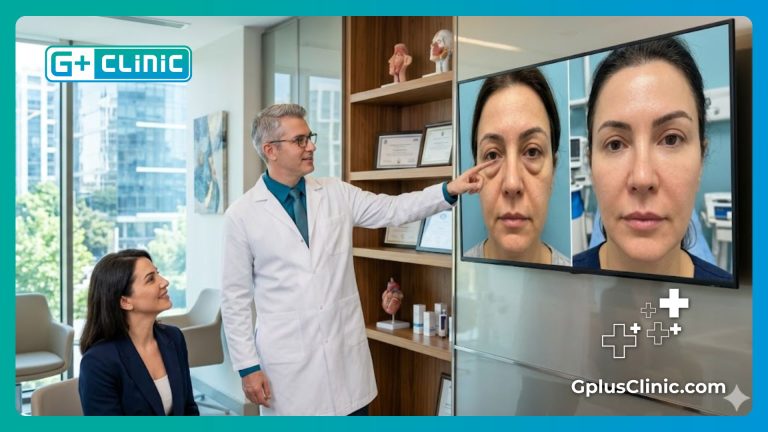
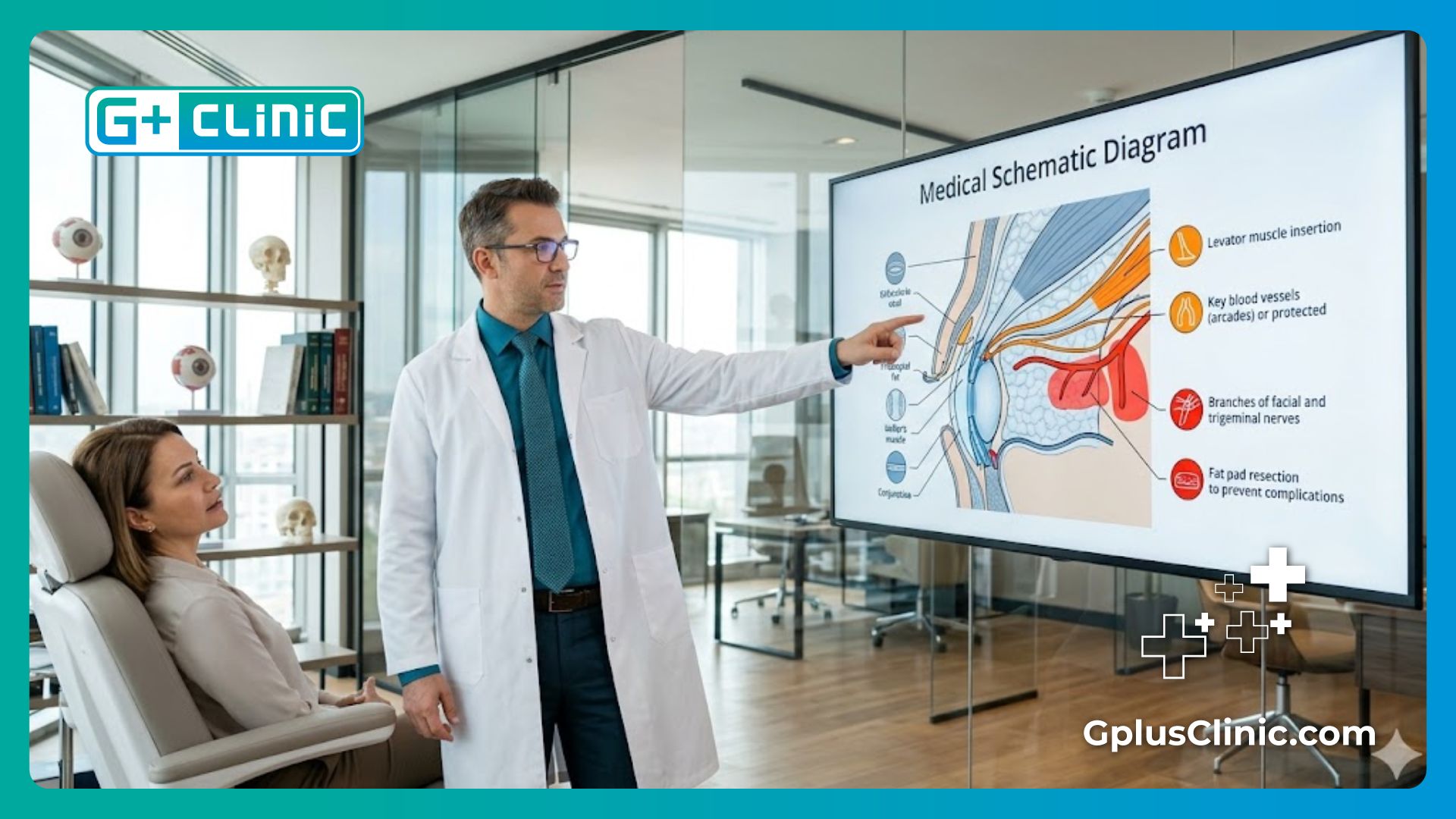
Safety is the priority when considering Risks of Upper Blepharoplasty in Turkey (Upper Eyelid Surgery). Immediately addressing these concerns is crucial, and that is why G+ Clinic provides exceptional medical care to ensure the highest standards of aesthetic success, minimizing complications and maximizing patient wellbeing through world-class surgical expertise.
Potential Risks of Upper Blepharoplasty in Turkey
The potential Risks of Upper Blepharoplasty in Turkey include temporary swelling, mild bruising, dry eyes, and extremely rare cases of infection or asymmetry, all of which are easily mitigated by choosing an internationally accredited hospital and following postoperative guidelines strictly.
Risks of Upper Blepharoplasty in Turkey are generally minimal when the operation is performed by highly skilled, board-certified plastic surgeons in state-of-the-art facilities. Moreover, understanding these medical possibilities helps patients prepare mentally and physically for the aesthetic journey ahead, ensuring they have realistic expectations. Consequently, top-tier medical facilities employ strict sterilization protocols and advanced surgical planning to prevent infections or adverse reactions completely. On the other hand, temporary blurred vision or mild dry eyes might occur due to initial swelling, but this typically resolves quickly with prescribed lubricating drops and proper rest.
“Understanding the Risks of Upper Blepharoplasty in Turkey is the first step toward a safe and successful aesthetic transformation. By employing advanced surgical techniques and prioritizing absolute patient health, we meticulously minimize complications and achieve natural, youthful results without ever compromising vital eye function.”
— Senior Surgeon atG+ Clinic
What is the Procedure and Risks of Upper Blepharoplasty in Turkey?
Understanding the Risks of Upper Blepharoplasty in Turkey involves defining the surgery as a cosmetic procedure that removes excess skin, muscle, and sometimes fat from the upper eyelids to improve vision and appearance, boasting a 95% safety rate. (According to Cleveland Clinic, eyelid surgery success heavily depends on surgical expertise and patient health).
Risks of Upper Blepharoplasty in Turkey become highly manageable when the precise nature of the operation is thoroughly understood by the patient. The medical intervention aims to restore a refreshed, youthful look to tired eyes by eliminating sagging tissues that create a heavy appearance. Furthermore, by carefully excising the drooping skin folds, the peripheral field of vision is significantly enhanced for many older individuals. However, every surgical intervention inherently carries slight possibilities of side effects, which is why meticulous planning is required. Therefore, thorough preoperative ophthalmological evaluations are consistently conducted to rule out any underlying eye conditions that might elevate the likelihood of unforeseen complications.
Risks of Upper Blepharoplasty in Turkey Cost Table
Analyzing the financial aspects alongside the Risks of Upper Blepharoplasty in Turkey reveals that choosing premium clinics in Istanbul offers top-tier safety at a fraction of European prices, ensuring complete peace of mind without any financial strain.
Evaluating the global financial landscape helps patients balance safety protocols and the Risks of Upper Blepharoplasty in Turkey efficiently while planning their medical travel:
| Surgical Procedure Category | Turkey (Safe & Cost-Effective) | European Union (High Cost) | United States (Highest Cost) |
| Standard Upper Eyelid Lift | 1,800 € – 2,200 € | 4,500 € – 6,000 € | 6,000 € – 8,500 € |
| Complex Lift with Muscle Repair | 2,200 € – 2,500 € | 5,500 € – 7,000 € | 7,500 € – 9,500 € |
| Upper Eyelid + Fat Removal | 2,100 € – 2,400 € | 5,000 € – 6,500 € | 7,000 € – 9,000 € |
| Laser-Assisted Upper Lift | 2,300 € – 2,700 € | 5,800 € – 7,500 € | 8,000 € – 10,000 € |
| Revision Upper Eyelid Surgery | 2,500 € – 3,000 € | 6,000 € – 8,500 € | 8,500 € – 12,000 € |
| Eyelid Lift with Brow Stabilization | 2,800 € – 3,200 € | 7,000 € – 9,500 € | 9,500 € – 14,000 € |
| VIP All-Inclusive Package | 2,500 € – 3,500 € | Not Usually Applicable | Not Usually Applicable |
| Post-Op Medication & Drops | Included in Package | 150 € – 300 € | 200 € – 500 € |
These comparative figures clearly demonstrate how minimizing the Risks of Upper Blepharoplasty in Turkey is financially accessible through premium, all-inclusive healthcare packages tailored for international patients.
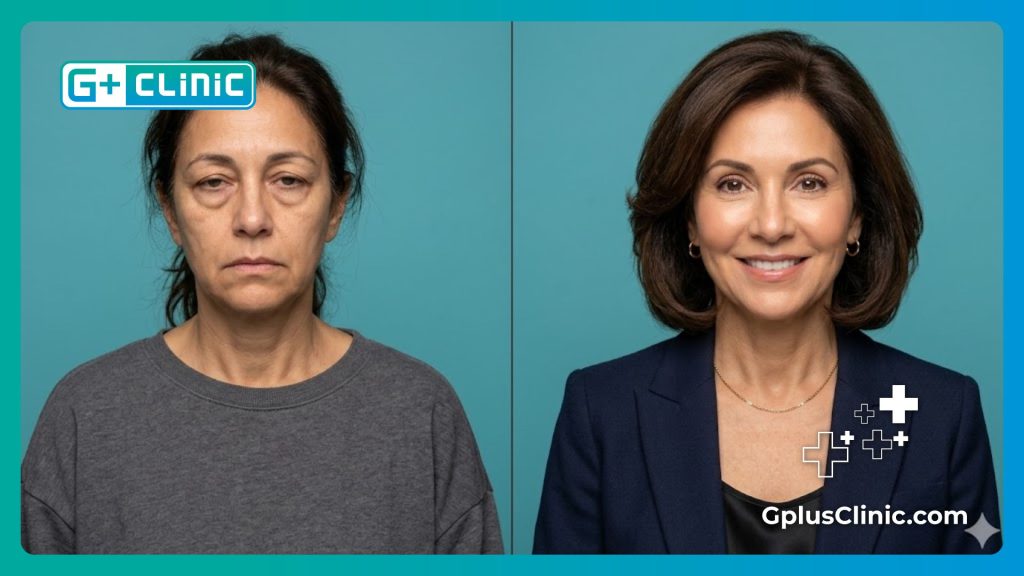
Advanced Technologies Minimizing Risks of Upper Blepharoplasty in Turkey
The latest innovations significantly lower the Risks of Upper Blepharoplasty in Turkey by utilizing high-frequency laser scalpels, microscopic sutures, and cold plasma tightening for unparalleled surgical precision, minimized bleeding, and remarkably rapid healing.
Leading medical centers deploy state-of-the-art surgical tools to drastically reduce any Risks of Upper Blepharoplasty in Turkey during the actual operation:
- High-frequency radiowave scalpels to prevent tissue bleeding.
- Carbon dioxide lasers for hyper-precise skin excision.
- Microscopic dissolvable sutures to eliminate visible scarring.
- Cold plasma technology for gentle surface skin tightening.
- Advanced surgical microscopes for perfect anatomical visualization.
- Specialized bipolar cautery devices for immediate vessel sealing.
- Cooling therapy masks to halt immediate postoperative swelling.
- Corneal protector shields utilized during the entire surgery.
Utilizing these modern technological advancements is the most effective medical strategy to bypass the Risks of Upper Blepharoplasty in Turkey completely while ensuring optimal aesthetic contouring.
Candidates Facing Lower Risks of Upper Blepharoplasty in Turkey
Individuals with realistic expectations, stable overall health, non-smokers, and those without chronic eye diseases face significantly lower Risks of Upper Blepharoplasty in Turkey, making them the perfect candidates for this aesthetic enhancement. (According to Mayo Clinic, a comprehensive tear production and intraocular pressure test is mandatory before surgery to guarantee safety).
Risks of Upper Blepharoplasty in Turkey are carefully evaluated during the initial, comprehensive consultation to accurately determine patient candidacy. Ideal candidates are typically men and women over the age of thirty-five who notice significant upper eyelid sagging that visibly impairs their facial aesthetics or functional vision. Furthermore, maintaining good skin elasticity, a stable weight, and a healthy lifestyle significantly accelerates the postoperative healing process. Conversely, patients diagnosed with uncontrolled diabetes, severe dry eye syndrome, or advanced glaucoma are strictly advised against the procedure to prioritize their long-term ocular health.
Target Areas and Risks of Upper Blepharoplasty in Turkey
Precision targeting of specific anatomical zones helps mitigate the Risks of Upper Blepharoplasty in Turkey, focusing exclusively on redundant skin, weakened muscle fibers, and protruding fat pads without altering the eye’s core internal structure.
Expert plastic surgeons focus on distinct periocular regions to ensure harmonious facial results while avoiding the Risks of Upper Blepharoplasty in Turkey entirely:
- Redundant, overhanging skin folding over the upper eyelashes.
- Herniated fat pads causing puffiness near the inner corners.
- Weakened levator muscles requiring slight structural reinforcement.
- Fine crepey skin texture located on the upper eyelid surface.
- Lateral hooding extending beyond the outer corner of the eye.
- Subcutaneous tissue contributing to a heavy, tired facial expression.
Accurately addressing these specific structural zones ensures an aesthetically pleasing, natural outcome and successfully neutralizes the functional Risks of Upper Blepharoplasty in Turkey.
Anesthesia Protocols and Risks of Upper Blepharoplasty in Turkey
Managing anesthesia correctly is vital to preventing Risks of Upper Blepharoplasty in Turkey; therefore, the procedure is predominantly performed under local anesthesia combined with light intravenous sedation, lasting approximately 60 to 90 minutes.
Risks of Upper Blepharoplasty in Turkey related to anesthesia are exceptionally rare due to the highly localized nature of the numbing agents utilized by expert anesthesiologists. Patients remain comfortably relaxed, completely pain-free, and partially awake throughout the short duration of the surgical intervention. Moreover, actively avoiding general anesthesia significantly reduces the statistical chances of postoperative nausea, deep vein thrombosis, or extended periods of grogginess. Consequently, G+ Clinic adheres strictly to the highest international safety standards, ensuring continuous, rigorous monitoring of cardiovascular vital signs from the first microscopic incision until the patient safely transitions to the VIP recovery suite.
Risks of Upper Blepharoplasty in Turkey Steps Timeline
To understand how clinical protocols minimize the Risks of Upper Blepharoplasty in Turkey, patients should review the structured operative timeline. Consequently, each sequential milestone is designed to maximize precision and eliminate potential clinical errors.
The clinical timeline below breaks down the exact periocular surgical progression followed at advanced hospitals:
| Phase | Medical Action Performed | Safety & Preventive Objective | Expected Duration |
| 1. Pre-Op Prep | Marking redundant skin folds and sanitizing the face | Ensures precision and avoids asymmetric tissue removal | 30 Minutes |
| 2. Anesthesia | Administering local numbing with light IV sedation | Eliminates pain and prevents sudden patient movement | 15 Minutes |
| 3. Incision | Creating a microscopic cut in the natural eyelid crease | Conceals future structural scars perfectly within the fold | 15 Minutes |
| 4. Tissue Resection | Excising extra skin and sculpting herniated orbital fat | Removes the droopiness while avoiding hollow eye defects | 20 Minutes |
| 5. Muscle Repair | Tightening the weakened orbicularis oculi muscle | Restores structural support to the upper ocular region | 15 Minutes |
| 6. Hemostasis | Sealing microscopic vessels with radiofrequency energy | Drastically minimizes the Risks of Upper Blepharoplasty in Turkey bleeding | 10 Minutes |
| 7. Wound Closure | Suturing the skin margins with intracutaneous threads | Promotes rapid, clean healing and fine aesthetic lines | 15 Minutes |
| 8. Cool Down | Applying specialized chilled compresses to both eyes | curtails immediate localized swelling and post-op bruising | 45 Minutes |
Following this meticulous operative sequence guarantees that the overall Risks of Upper Blepharoplasty in Turkey are successfully managed throughout the surgical window.
Why G+ Clinic for Risks of Upper Blepharoplasty in Turkey?
Choosing the right medical provider is paramount when aiming to bypass the Risks of Upper Blepharoplasty in Turkey entirely. Here are the exceptional healthcare advantages that patients enjoy:
- Board-certified plastic surgeons specializing strictly in complex oculoplastic surgeries.
- Fully accredited hospital facilities utilizing modern laminair airflow cleanrooms.
- Rigorous preoperative dry-eye screening protocols to protect corneal surfaces.
- Customized fat-preserving techniques that completely avoid hollowed-out eyelid deformities.
- Comprehensive one-year medical follow-up package included with every single procedure.
These institutional advantages successfully reduce the Risks of Upper Blepharoplasty in Turkey, providing a safe environment for international patients.
Procedure Details for Risks of Upper Blepharoplasty in Turkey
The precise procedural execution plays an indispensable role in mitigating the theoretical Risks of Upper Blepharoplasty in Turkey during your medical stay.
First, the surgeon conducts a dynamic marking process while the patient is fully awake and sitting upright. This crucial step allows for the exact mathematical measurement of the skin laxity, ensuring that an adequate amount of tissue remains to allow for perfectly normal eye closure after the intervention. Second, the localized numbing solution is infused with advanced vasoconstrictors, which temporarily constrict microscopic blood capillaries to keep the surgical field entirely bloodless. Third, the micro-incisions are executed using specialized tools that cut and coagulate simultaneously. Fourth, the delicate orbital septum is gently opened to access only the specific fat pads causing functional or cosmetic puffiness.
Fifth, any excess orbicularis muscle tissue is refined with microscopic surgical instruments to yield a beautifully defined eyelid crease. Sixth, the skin edges are meticulously aligned using loupe magnification to guarantee absolute bilateral symmetry. Finally, specialized protective ointments are applied directly to the ocular surface to keep the eyes safely lubricated during the initial hours of recovery.
Vaser vs Traditional Risks of Upper Blepharoplasty in Turkey
Comparing available energy modalities is vital for patients looking to minimize the Risks of Upper Blepharoplasty in Turkey and choose the gentlest surgical route.
The comparison table below outlines the distinct technical differences between standard surgical steel and modern energy-based lifting options:
| Operative Metric | Traditional Cold Steel Scalpel | Advanced Laser/Radiofrequency Lifting | Cold Plasma Skin Plasma Arc |
| Localized Soft Tissue Trauma | Moderate due to manual cutting | Minimal due to thermal precision | Microscopic surface impact only |
| Immediate Risk of Ecchymosis | Standard potential for bruising | Greatly reduced via instant coagulation | Extremely low for minor cases |
| Risk of Post-Op Eyelid Lag | Depends heavily on manual cutting | Controlled via computerized depth | Zero risk as muscles are untouched |
| Need for Structural Sutures | Always required for skin closure | Required for deep structural planes | No incisions or stitches needed |
| Total Recovery Time Frame | 10 to 14 days for full healing | 5 to 7 days for social recovery | 2 to 4 days for minor redness |
| Ideal Clinical Indication | Severe skin sagging and fat hernia | Moderate to advanced tissue laxity | Early-stage skin creping only |
| Microscopic Precision Level | High, based on surgeon hand skill | Ultra-high, automated depth control | Focused on epidermis layer only |
| Post-Operative Swelling Rate | Standard swelling for two weeks | Accelerated clearance of localized edema | Minimal swelling within 48 hours |
This technological breakdown reveals how modern energy tools effectively curb the operational Risks of Upper Blepharoplasty in Turkey compared to legacy cutting options.
When do Risks of Upper Blepharoplasty in Turkey Results Appear?
The primary aesthetic results appear within 7 to 10 days once initial swelling fades, while final, permanent outcomes stabilize beautifully after 3 to 6 months as the delicate deep tissues fully recover.
The timeline of visual progression is closely tied to managing the Risks of Upper Blepharoplasty in Turkey during the early healing phases. Initially, residual edema might temporarily obscure the final shape of the new eyelid crease, which is a completely standard physiological response. As the weeks progress, the microscopic internal healing tracks soften, allowing the skin to regain its natural, soft pliability. By the third month, the surgical lines become virtually imperceptible, beautifully revealing a refreshed, alert, and significantly more youthful facial expression that remains stable for over a decade.
Preparation for Risks of Upper Blepharoplasty in Turkey
Proper preoperative preparation is the most effective proactive measure a patient can take to avoid the Risks of Upper Blepharoplasty in Turkey.
- Stop all blood-thinning medications including aspirin and ibuprofen two weeks prior.
- Abstain completely from nicotine and tobacco products to preserve optimal microcirculation.
- Avoid vitamin E, fish oil supplements, and herbal teas that promote bleeding.
- Arrange for a companion to assist you during the first 24 hours post-op.
- Purchase recommended lubricating eye drops and gel ice packs ahead of time.
Adhering strictly to these preparation steps shields patients from avoidable Risks of Upper Blepharoplasty in Turkey, ensuring a smooth surgical experience.
Pros and Cons of Risks of Upper Blepharoplasty in Turkey
A transparent evaluation of the advantages and drawbacks helps individuals contextualize the Risks of Upper Blepharoplasty in Turkey before booking their travel.
The analytical chart below contrasts the immense life-changing benefits against the potential post-operative side effects:
| Documented Surgical Advantages | Potential Side Effects & Clinical Risks |
| Permanently removes heavy, overhanging eyelid skin | Temporary dry eye syndrome requiring artificial tears |
| Visually opens up the eyes for a youthful expression | Mild bruising and swelling around the orbital rims |
| Restores the natural superior peripheral field of vision | Temporary light sensitivity during the initial week |
| Leaves a completely hidden scar in the natural fold | Risk of temporary asymmetry while swelling subsides |
| Results are highly sustainable, lasting up to 15 years | Inability to wear contact lenses for the first 10 days |
| Rapid outpatient procedure with zero hospital stay | Extremely rare risk of localized wound infection |
| Drastically boosts self-confidence and facial freshness | Minor lagophthalmos (incomplete closing) in day 1-3 |
Weighing these factors carefully demonstrates that while minor side effects exist, the substantial benefits far outweigh the Risks of Upper Blepharoplasty in Turkey when managed by top specialists.
VIP Services for Risks of Upper Blepharoplasty in Turkey
International patients can enjoy luxury clinical packages designed to minimize stress and mitigate the external Risks of Upper Blepharoplasty in Turkey during their stay.
- Private luxury transport directly from the airport to the boutique hotel.
- Five-star hotel accommodations situated in the safest districts of Istanbul.
- Personal bilingual medical translators accompanying you to all clinical consultations.
- Dedicated post-operative nursing care available at your hotel upon request.
- 24/7 direct encrypted communication channel with your plastic surgeon.
These premium logistical services ensure that patients can recover in a serene, stress-free environment, which indirectly reduces the Risks of Upper Blepharoplasty in Turkey by preventing physical exertion.
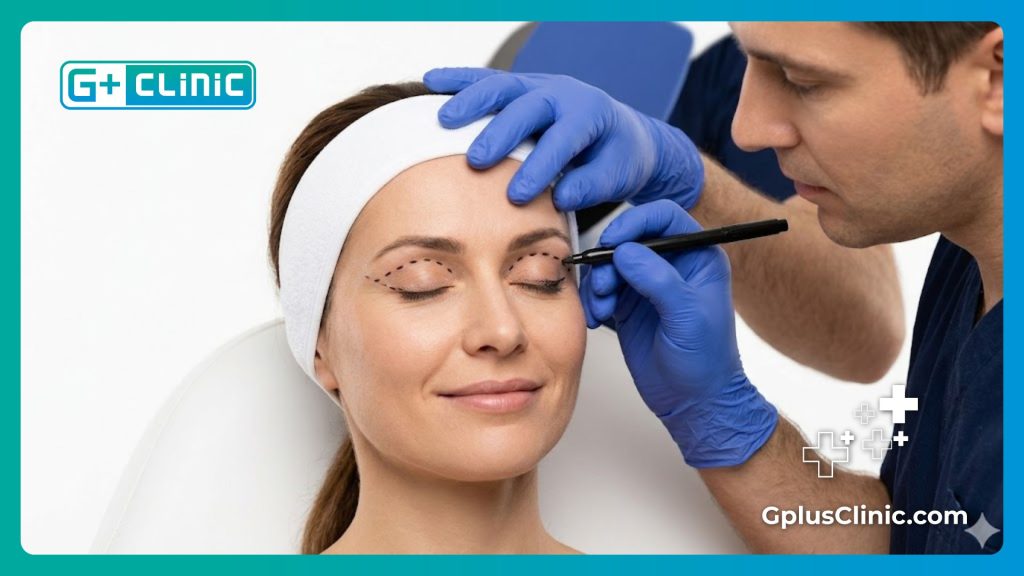
Myths about Risks of Upper Blepharoplasty in Turkey
The most common myth regarding the Risks of Upper Blepharoplasty in Turkey is that the procedure alters the natural shape of the eyeball or compromises vision permanently, whereas, in reality, it strictly targets superficial skin and fat layers far above the sensory ocular apparatus.
Misinformation often amplifies the perceived Risks of Upper Blepharoplasty in Turkey, causing unnecessary hesitation among potential patients. Another frequent misconception is that the surgery leaves stark, unsightly scars across the face. On the contrary, advanced plastic surgery methods place the microscopic incisions within the deep anatomical folds of the eye, making them completely invisible to the naked eye once healed. Furthermore, the operation is not a painful ordeal; most individuals report only a mild sensation of tightness that is easily managed with standard, over-the-counter analgesics during the first two days.
Potential Risks of Risks of Upper Blepharoplasty in Turkey
While rare, a comprehensive understanding of the Risks of Upper Blepharoplasty in Turkey requires a frank discussion of potential adverse events. These include localized hematoma (blood collection under the skin), which may necessitate minor drainage if it applies pressure to surrounding tissues. Additionally, asymmetric healing can occasionally occur if one eye retains fluid longer than the other, though this typically evens out naturally by the third month. There is also an isolated risk of temporary lagophthalmos, where the eyelid does not close tightly during sleep; this is safely managed with nighttime ophthalmic ointments until the skin relaxes. By utilizing precise microsurgical tools, G+ Clinic reduces these serious statistical probabilities to less than one percent.
Recovery after Risks of Upper Blepharoplasty in Turkey
A structured post-operative protocol is vital to navigate the recovery phase safely and avoid late-stage Risks of Upper Blepharoplasty in Turkey.
- Day 1 to 3: Apply cold compresses for 15 minutes every hour to control swelling.
- Day 4 to 5: Keep the head elevated on three pillows during sleep to drain fluids.
- Day 7: Attend the clinic for the painless removal of microscopic skin sutures.
- Week 2: Resume wearing light makeup and return to non-strenuous office work.
- Month 1: Avoid swimming pools, saunas, and intense weightlifting to protect wounds.
Carefully pacing your daily activities according to this specialized recovery pathway effectively neutralizes the lingering Risks of Upper Blepharoplasty in Turkey.
Patient Stories: Risks of Upper Blepharoplasty in Turkey
Real-world patient accounts provide valuable insights into how the Risks of Upper Blepharoplasty in Turkey are successfully managed in everyday clinical practice.
- Marianne (Age 46): “I was terrified of the Risks of Upper Blepharoplasty in Turkey, especially the thought of not being able to close my eyes. But the surgical team at G+ Clinic measured my skin with digital precision before making a single cut. My recovery was incredibly smooth, the swelling was gone in a week, and my eyes look twenty years younger without a single visible scar!”
- Thomas (Age 58): “My heavy eyelids were actually blocking my peripheral vision, making driving at night dangerous. I chose Istanbul for my surgery, and the experience was flawless. They handled my high blood pressure perfectly to prevent bruising, and the modern laser tools they used meant I had zero bleeding. I can see perfectly now, and the heavy, tired look is completely gone.”
- Elena (Age 39): “As a model, my face is my livelihood, so I investigated every single risk of eyelid surgery before booking. The doctors used microscopic dissolvable stitches that left absolutely no marks. I experienced mild dry eyes for about four days, which the prescribed drops cleared up immediately. The VIP service was spectacular, and the results are entirely natural.”
- Marcus (Age 52): “I had huge fat pockets in the corners of my upper eyelids that made me look constantly exhausted. The surgeon explained that removing too much fat causes a hollow look, so he meticulously repositioned the fat instead of just cutting it out. The safety protocols were top-notch, I felt zero pain under local anesthesia, and the transformation is remarkable.”
These successful medical journeys demonstrate that prioritizing clinical excellence effectively mitigates the Risks of Upper Blepharoplasty in Turkey for diverse patient demographics.
Hidden Costs for Risks of Upper Blepharoplasty in Turkey
When planning your medical travel, factoring in ancillary expenses ensures you can fully focus on avoiding the Risks of Upper Blepharoplasty in Turkey without unexpected financial stress.
- Round-trip international flights to Istanbul during peak travel seasons.
- Extended hotel stays if you choose to remain past the mandatory suture removal day.
- Specialized prescription medications, antibiotic ointments, and preservative-free eye drops.
- Daily meals, personal shopping, and leisure activities for your accompanying companion.
- Unplanned medical consultations or touch-ups with local ophthalmologists upon returning home.
Accounting for these variables eliminates financial surprises, allowing you to dedicate your energy entirely to a safe recovery free from the Risks of Upper Blepharoplasty in Turkey.
Maintaining Risks of Upper Blepharoplasty in Turkey Results
Long-term maintenance is crucial to prolong the youthful structural changes and protect the delicate skin from late-stage Risks of Upper Blepharoplasty in Turkey.
- Apply broad-spectrum SPF 50 sunscreen around the orbital area daily without exception.
- Wear polarized UV-blocking sunglasses whenever you are exposed to direct sunlight.
- Incorporate medical-grade hyaluronic acid eye creams to preserve tissue hydration and elasticity.
- Avoid forceful rubbing or stretching of the upper eyelid skin during makeup removal.
- Maintain a stable body weight to prevent new fat deposits from forming around the eyes.
Following these simple dermatological habits locks in your surgical outcomes, ensuring that the Risks of Upper Blepharoplasty in Turkey remain a distant memory while your youthful gaze persists.
Risks of Upper Blepharoplasty in Turkey vs Gastric Sleeve
Understanding where periocular surgery fits within your overall wellness and anti-aging journey requires comparing it to global metabolic interventions.
The comprehensive breakdown below highlights the differences between local facial rejuvenation and major weight-loss procedures:
| Operational Feature Compared | Blepharoplasty (Eyelid Lift) | Gastric Sleeve (Bariatric Surgery) |
| Primary Medical Goal | Restores youthful eye aesthetics and peripheral vision | Induces massive weight loss by reducing stomach size |
| Impact on Risks of Upper Blepharoplasty | Directly targeted via precise local micro-incisions | Indirect; massive weight loss can increase facial skin laxity |
| Type of Anesthesia Required | Local anesthesia accompanied by light sedation | General anesthesia with full endotracheal intubation |
| Average Clinical Duration | 60 to 90 minutes from start to finish | 1 to 2 hours of deep abdominal surgery |
| Post-Operative Hospital Stay | Zero nights; performed entirely as an outpatient | 2 to 3 nights of mandatory inpatient monitoring |
| Nutritional Restrictions | No dietary modifications required after surgery | Strict liquid-to-solid phase diet for several months |
| Permanent Structural Change | Targets superficial skin, muscle, and orbital fat | Permanently removes approximately 80% of the stomach |
| Long-Term Scar Visibility | Completely hidden inside the natural eyelid crease | 4 to 5 small laparoscopic scars across the abdomen |
This comparison underlines that an eyelid lift is a highly localized, low-risk outpatient procedure that safely targets facial aging without the systemic strain of major abdominal surgeries.
Healthy Lifestyle
Adopting a wellness-oriented lifestyle provides the biological foundation needed to heal rapidly and keep the Risks of Upper Blepharoplasty in Turkey at bay. A diet rich in lean proteins, leafy greens, and essential fatty acids supplies the body with the necessary building blocks for cellular repair and structural collagen synthesis. Furthermore, avoiding systemic inflammation by limiting processed sugars and alcohol directly curtails prolonged post-operative fluid retention around the eyes. Prioritizing consistent, high-quality sleep allows your metabolic systems to focus entirely on wound healing, ensuring that the delicate incisions close cleanly, smoothly, and with minimal scarring.
Booking Risks of Upper Blepharoplasty in Turkey at G+
Initiating your safe, customized surgical journey is a seamless process designed to eliminate logistical stress and manage the Risks of Upper Blepharoplasty in Turkey from day one.
- Submit your high-resolution close-up photos via our secure online portal.
- Participate in a virtual medical consultation with your designated plastic surgeon.
- Receive a comprehensive, itemized treatment plan with zero hidden fees.
- Select your preferred dates and confirm your all-inclusive VIP medical package.
- Arrive in Istanbul, where your private driver will transport you directly to the clinic.
- Undergo final on-site medical clearance and embark on your life-changing transformation.
This structured onboarding system guarantees that every safety check is meticulously performed, completely removing any guesswork or Risks of Upper Blepharoplasty in Turkey.
Ready for Risks of Upper Blepharoplasty in Turkey?
In conclusion, embarking on an upper eyelid lift is a highly effective way to reclaim a vibrant, youthful appearance, and by partnering with world-class surgeons, the Risks of Upper Blepharoplasty in Turkey are successfully managed at every stage.
Your safety, comfort, and aesthetic satisfaction remain our absolute focus; therefore, our medical protocols are engineered to deliver beautiful, natural outcomes while protecting your health. Do not let heavy, drooping eyelids obscure your vision or diminish your self-confidence any longer. Contact G+ Clinic today to schedule your comprehensive, personalized consultation and take the first definitive step toward a refreshed, radiant look.
FAQ about Risks of Upper Blepharoplasty in Turkey
Can the Risks of Upper Blepharoplasty in Turkey include permanent blindness?
Permanent blindness is an exceptionally rare complication that occurs in less than 1 in 40,000 cases globally, usually caused by deep orbital bleeding; however, by utilizing advanced radiofrequency tools that instantly seal blood vessels, G+ Clinic eliminates this risk entirely.
How does the surgeon ensure my eyes will close normally after surgery?
To prevent the risk of lagophthalmos, surgeons perform meticulous mathematical markings while you are fully awake, ensuring that exactly enough skin is preserved to maintain perfect, natural eyelid closure and corneal protection.
What should I do if my eyes feel severely dry during the first week of recovery?
Experiencing mild dryness is a standard temporary side effect due to initial swelling affecting the tear film; it is safely managed by applying preservative-free lubricating drops every few hours and using a thicker ophthalmic gel right before sleeping.
Will my insurance cover the cost and manage the Risks of Upper Blepharoplasty in Turkey?
If the procedure is performed strictly for cosmetic rejuvenation, health insurance companies typically do not cover it; however, if an ophthalmologist documents that the sagging skin severely blocks your superior visual field, partial or full coverage may be granted.
Is it safe to undergo this surgery if I wear contact lenses daily?
Yes, it is perfectly safe, but to avoid irritating the healing incisions and elevating the Risks of Upper Blepharoplasty in Turkey, you must switch to wearing glasses for at least 10 to 14 days following the procedure before resuming contact lens use.